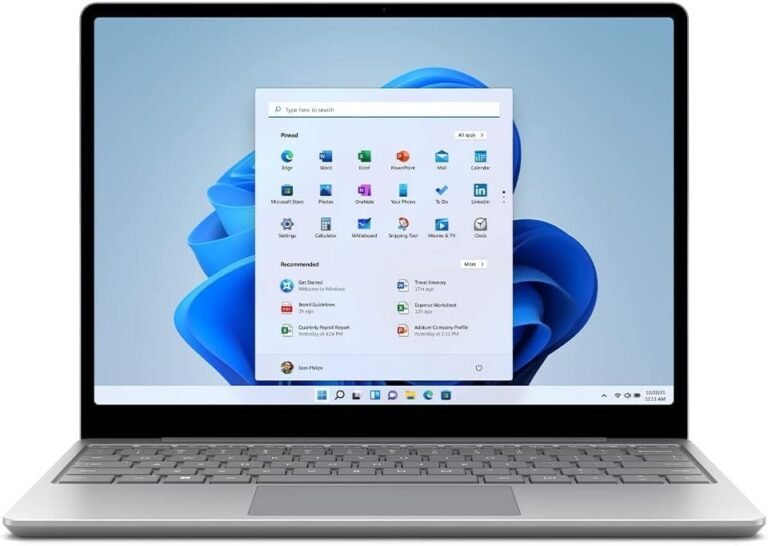


In today’s fast-paced world, laptops have become essential tools for work, gaming, content creation, and communication. However, as these devices increase in power and capabilities, they also generate more heat, which can impact their performance, longevity, and user comfort. One of the simplest and most efficient solutions to manage this heat buildup is using a cooling pad. This article will guide you on what a cooling pad is, how to use it effectively, and why it can be a game-changer for your laptop experience.


What Is a Cooling Pad?
A cooling pad, also known as a laptop cooling pad or laptop cooler, is an external accessory designed to help regulate your laptop’s temperature by improving airflow. It typically consists of a flat surface embedded with one or more fans underneath. These fans dissipate heat by drawing hot air away from your laptop’s base, making it less prone to overheating. Cooling pads come in various designs—with basic models focusing on fan placement and airflow, and advanced ones offering adjustable fan speeds, USB passthrough ports, and even LED lighting for ambiance.
Why Use a Laptop Cooling Pad?
1. Prevent Overheating and Component Damage
Heat is the enemy of electronic components. Excessive heat can degrade your laptop’s internal parts faster, leading to instability, system crashes, or even permanent hardware failure. By using a cooling pad, you reduce the internal temperature, thus extending your laptop’s overall lifespan.
2. Maintain Optimal Performance
High temperatures cause CPUs and GPUs to enter a state called thermal throttling—where the system deliberately slows down processing speeds to avoid overheating. A cooling pad helps keep your device cool, minimizing thermal throttling and allowing your laptop to sustain high performance longer, especially during demanding tasks like gaming, video editing, or 3D rendering.
3. Improve User Comfort
Laptops can become uncomfortably warm, especially on the underside or keyboard, during prolonged use. A cooling pad not only helps in circulating air but also elevates the laptop for better posture and reduces heat transfer to your lap.
4. Reduce Fan Noise
By aiding the cooling process externally, your laptop’s internal fans may not need to work as hard or as often, potentially reducing the noise generated during operation.
How to Effectively Use a Cooling Pad

1. Choose the Right Cooling Pad for Your Laptop
- Size Compatibility: Ensure the cooling pad fits your laptop size—too small and your laptop won’t be properly supported; too large and it becomes cumbersome.
- Fan Placement and Number: Look for models with multiple fans spread out to cover the important heat zones beneath your laptop. Adjustable fan speeds are a plus for customizing cooling intensity.
- Material and Build: Durable and lightweight materials make the cooling pad easy to carry. Metal mesh surfaces often provide better airflow than plastic.
- Additional Features: USB passthrough ports allow you to plug in peripherals without sacrificing laptop ports. Adjustable legs give ergonomic benefits by elevating your laptop to a comfortable viewing angle.
2. Proper Setup
Place the cooling pad on a flat, hard surface to optimize airflow. Attach the cooling pad’s power source—either via USB connection to your laptop or an external adapter, depending on the model. Set the fan speed to a level that effectively cools your laptop without excessive noise.
3. Position Your Laptop Correctly
Make sure the laptop’s intake vents are aligned over the fans in the cooling pad. This ensures hot air is efficiently pushed away, and cooler air circulates beneath and around the laptop’s chassis.
4. Maintain Your Cooling Pad
Regularly clean the fans and surface of dust and debris to keep airflow unobstructed. Dust buildup reduces efficiency and can introduce additional heat.
When Should You Use a Cooling Pad?
- You notice your laptop heats up significantly under normal operation or during intense activities such as gaming or video editing.
- Your laptop’s fans are consistently loud, indicating strain from heat.
- You experience performance drops or lag caused by thermal throttling during demanding tasks.
- You regularly use your laptop on soft surfaces, like beds or laps, which restrict proper ventilation.
Even if your laptop is new and currently not overheating, using a cooling pad proactively can help maintain an ideal temperature and protect your investment long-term.
Additional Tips to Keep Your Laptop Cool
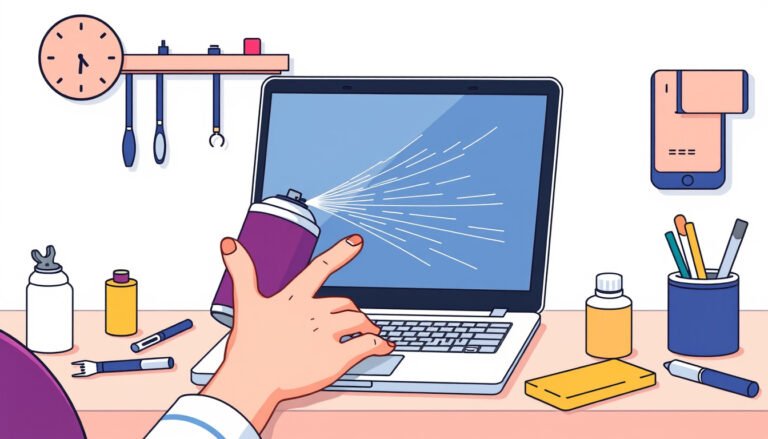
- Keep your laptop vents clean: Dust accumulation inside the vents blocks airflow. Carefully clean with compressed air or a soft brush regularly.
- Avoid direct sunlight: Prolonged exposure to heat from sunlight increases your laptop’s temperature.
- Limit background processes: Running many applications simultaneously increases internal heat. Close unnecessary programs to reduce strain.
- Use power-saving modes: Many laptops offer settings that optimize performance versus power consumption, helping manage heat.
- Elevate your laptop: Even without a cooling pad, slight elevation allows air to move more freely beneath the device.
Conclusion
Using a cooling pad is a simple, effective way to keep your laptop’s temperature in check, boost performance stability, reduce fan noise, and increase your device’s longevity. Especially for gamers, content creators, and users running intensive applications, a cooling pad is more than just an accessory—it’s a practical tool that ensures your laptop can keep up with your demands comfortably and reliably. Remember to choose a cooling pad that fits your laptop well, position it correctly, and maintain both the pad and your laptop for optimal results.
Beat the heat, and enjoy your laptop experience with the comfort and confidence that comes from effective cooling!
About the Author