

In today’s fast-paced work environment, productivity tracking software has become an essential tool for individuals and organizations seeking to optimize how work gets done. By leveraging technology to monitor, analyze, and improve work processes, these tools empower users to maximize efficiency, streamline workflows, and adapt to changing demands — especially in an era of increasing remote and hybrid work.


This article explores the key concepts behind productivity tracking software, its benefits, and practical ways to utilize these solutions to gain actionable insights and boost output.
Understanding Productivity Tracking Software
Productivity tracking software refers to tools that collect and analyze data about how work is performed across employees, teams, or entire organizations. These platforms utilize automated data collection from applications, calendars, communications, and task management systems to offer visibility into work patterns, time allocation, and output quality.
At its core, productivity tracking combines:
- Automated Monitoring: Capturing behavioral signals such as application usage, website visits, calendar events, and time spent on tasks.
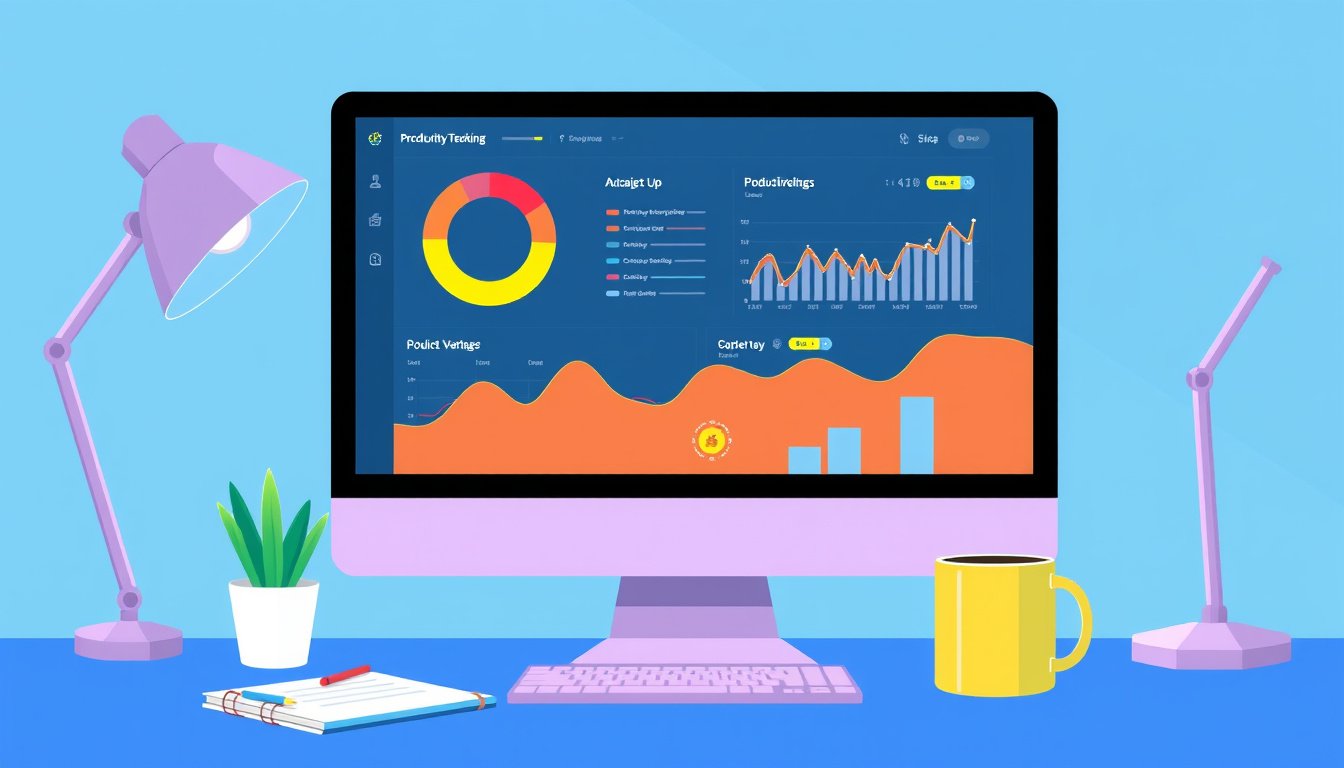
- Data Analytics: Transforming raw data into meaningful metrics and visual reports on productivity levels, workflow bottlenecks, and time management.
- Insight Generation: Delivering actionable insights for improving individual performance and organizational efficiency.
- Workforce Management: Informing decisions related to scheduling, workload balancing, and resource allocation.
By providing a continuous and holistic view of work activities across different tools and environments, these solutions help users identify inefficiencies and areas for improvement.
Key Benefits of Using Productivity Tracking Software
1. Enhanced Visibility and Accountability
Productivity software fosters a transparent work culture by offering clear visibility into how time is spent and which tasks consume the most resources. This awareness encourages accountability and helps prevent habitually unproductive behaviors or distractions.
2. Data-Driven Decision Making
With comprehensive data on employee activities and productivity trends, managers and leaders can make informed decisions about staffing, task prioritization, and technology investments. For example, precise insights can reveal opportunities to optimize workflows or the need for additional resources.
3. Improved Workforce Management and Engagement
Workforce analytics enable better schedule adherence, workload balancing, and identification of coaching opportunities. Monitoring productivity patterns can also help flag signs of employee burnout and disengagement, prompting timely interventions.
4. Optimization of Technology and Automation
By assessing technology usage and identifying repetitive tasks, productivity software can guide organizations on where to apply automation, optimize software licenses, or invest in new tools that provide meaningful returns.
5. Support for Remote and Hybrid Work Models
In distributed work settings, productivity tracking tools provide the structure and insight necessary to maintain performance standards without micromanagement, fostering trust while ensuring work goals are met.
How to Maximize Efficiency Using Productivity Tracking Software
Choose the Right Platform for Your Needs
Productivity tracking tools vary in capabilities and focus—from simple time trackers to comprehensive workforce analytics solutions integrating AI insights. Some well-known platforms offer features like real-time visibility, customizable dashboards, AI-powered recommendations, and integrations with popular business systems (e.g., Microsoft Teams, Jira, Slack).
Assess your team’s size, workflows, and goals to select software that provides actionable insights without compromising privacy or overwhelming users with data.
Integrate Across Your Workflow Ecosystem
For meaningful insights, connect productivity software with the applications your teams use daily—email, calendars, task management, communication channels, and AI tools. This integration creates a unified view of work and helps identify coordination gaps or redundant efforts.

Leverage AI and Behavioral Analytics
Modern productivity platforms often incorporate AI to analyze patterns and provide predictive insights, such as identifying workload imbalances or coaching opportunities. Utilizing these features can help anticipate challenges and enhance performance proactively.
Set Clear Benchmarks and Goals
Use data from productivity tracking to establish realistic benchmarks based on industry standards or historical company data. Communicate these goals clearly with teams to align expectations and motivate performance improvements.
Foster Transparent and Ethical Usage
Maintain employee trust by adopting privacy-first approaches, such as anonymizing data, sharing aggregate insights rather than individual monitoring details, and clarifying how collected data supports employee well-being and organizational objectives.
Use Insights to Continuously Improve Workflows
Identify bottlenecks, reduce low-value tasks, and reallocate resources based on real-time data. Experiment with different process changes and measure impact through the software to foster a culture of continuous improvement.
Real-World Applications and Results
Organizations adopting sophisticated productivity tracking platforms have reported substantial benefits. For instance:
- Improved operational efficiency: Identifying redundant processes and reallocating workforce capacity have led to significant cost savings.
- Increased output without raising headcount: By eliminating bottlenecks and optimizing task distribution, companies boost productivity and employee satisfaction.
- Enhanced AI adoption oversight: Tracking AI tool usage helps quantify the technology’s productivity impact and guides investment decisions.
Conclusion
Using software for productivity tracking is no longer optional but a strategic necessity for individuals and organizations eager to maximize efficiency and stay competitive. By choosing the right tools, integrating them within your workflow, and nurturing a transparent culture around data usage, you unlock powerful insights that drive better work outcomes.
Embrace productivity tracking software to gain clarity on how work happens, make smarter decisions, and cultivate a more engaged, efficient workforce ready to meet future challenges.
Explore productivity tracking solutions tailored to your needs and start transforming how work gets done today.
About the Author