


In today’s digital world, screens are everywhere—from laptops and smartphones to tablets and monitors. Whether you work indoors under artificial light or outdoors amidst natural sunlight, screen glare can be a persistent annoyance. It not only hampers visibility but can also cause eye strain and discomfort over time. Anti-glare screen protectors offer an effective solution to these problems, enhancing your viewing experience. This guide explores what anti-glare screen protectors are, how they work, their benefits and drawbacks, and tips on choosing and caring for them.



What Are Anti-Glare Screen Protectors?
An anti-glare (AG) screen protector is a thin film or coating applied to electronic screens designed to reduce reflections from ambient light sources. Unlike glossy screens that reflect light directly into your eyes, AG protectors diffuse and scatter incoming light, significantly minimizing glare and making screens easier to see in bright environments.
Commonly used on devices like laptops, monitors, tablets, and smartphones, these protectors help improve screen visibility and make prolonged use more comfortable.
How Do Anti-Glare Screen Protectors Work?
Anti-glare protectors incorporate a matte or specially treated surface layer that disperses reflected light rather than allowing it to bounce directly back. This diffusion reduces the intensity of glare caused by direct sunlight or bright indoor lighting, preventing harsh reflections and reducing eye strain.
Some advanced anti-glare coatings use ultra-thin anti-reflective (AR) technology to maintain image quality while minimizing reflection. This balance is crucial as it enhances comfort without sacrificing screen clarity.
Key Benefits of Using Anti-Glare Screen Protectors
1. Reduced Glare and Eye Strain
By diffusing light, AG protectors enable you to comfortably view screens in various lighting conditions, including sunlight or brightly lit rooms. This is particularly important for users who spend long hours in front of screens, as it reduces eye fatigue.
2. Improved Screen Visibility
The reduction in reflections allows content on the screen to be clearly seen without needing to adjust device angles or reposition yourself constantly.
3. Enhanced Color Vibrancy in Bright Light
While glossy screens may offer sharper and more vibrant images in controlled lighting, anti-glare screens enhance color contrast in strong lighting conditions, making colors appear deeper and more defined when outdoors or in well-lit spaces.
4. Compatibility with Prescription Glasses
For individuals who wear glasses, anti-glare protectors further reduce reflections not only from the screen but also from the eyeglass lenses, improving overall viewing comfort.
5. Easy Maintenance
Many anti-glare screens are easier to clean since their coatings repel oils and fingerprints to some extent. A simple wipe with a microfiber cloth and gentle cleaning solution usually suffices.
6. Added Screen Protection
Besides reducing glare, these protectors provide a physical barrier that helps guard against minor scratches and smudges, though they are not a substitute for dedicated scratch-resistant screen protectors.
Potential Drawbacks to Consider
Despite the clear advantages, there are a few trade-offs when using anti-glare screen protectors:
1. Slight Impact on Image Sharpness
Some users may notice that an anti-glare screen introduces a subtle matte texture, which can make images appear a bit less sharp or grainier, especially when displaying bright colors like white or pastels.
2. Reduced Color Accuracy
For creative professionals who require the highest color fidelity—such as photographers or graphic designers—a glossy screen without an AR coating can provide more accurate color reproduction in controlled lighting conditions.
3. More Visible Fingerprints
Although easier to clean, matte finishes on anti-glare protectors sometimes make fingerprints and smudges stand out more due to the contrast created by the textured surface. This means you may need to clean your screen more regularly.
4. Additional Cost
Devices or monitors with built-in anti-glare screens can be costlier, particularly mid- to high-end models. Similarly, external anti-glare protectors add to overall expenses, but for many, the benefits outweigh the investment.
Choosing the Right Anti-Glare Screen Protector
When selecting an anti-glare protector, consider these factors:
- Device Compatibility: Ensure the protector is designed or can be customized for your specific device size and model.
- Touchscreen Support: If you use a touchscreen device, verify that the protector maintains touch sensitivity and responsiveness.
- Type of Finish: Matte protectors are most common for anti-glare effects; however, some offer a glossy anti-glare finish to preserve sharper image quality.
- Installation and Removal: Look for protectors that are easy to apply and remove without leaving adhesive residue.
- Cleaning Recommendations: Use only screen-safe cleaning solutions and soft cloths to maintain the protective coating.
How to Care for Your Anti-Glare Screen Protector
Maintaining your anti-glare screen protector properly extends its lifespan and performance:
- Clean gently with a microfiber cloth to avoid scratching the surface.
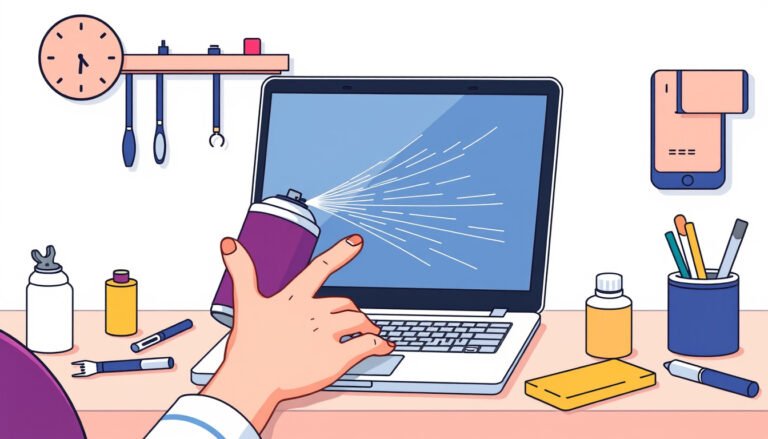
- Avoid using harsh cleaners, window sprays, or abrasive materials that can damage the coating.
- Remove dust and debris before wiping to prevent scratching.
- Follow manufacturer-specific care instructions whenever available.
Alternatives and Complementary Solutions
If you’re unable or prefer not to use an anti-glare screen protector, here are some alternatives:
- Adjust Screen Position: Tilt or reposition your device to minimize direct light reflection.
- Screen Hoods or Shields: External attachments block ambient light physically.
- Software Solutions: Adjusting screen brightness and contrast or using night mode can reduce eye strain.
While these can help, they may not match the effectiveness of dedicated anti-glare protectors.
Final Thoughts
Using an anti-glare screen protector can significantly enhance your viewing comfort by reducing reflections, lowering eye strain, and improving visibility across various lighting conditions. Whether you use your device outdoors or in bright indoor environments, these protectors offer practical benefits that make screen time more enjoyable and less tiring.
However, it’s essential to weigh the slight compromises in image sharpness and color accuracy against your specific needs. For everyday users and professionals not relying on exact color performance, an anti-glare screen protector is often a worthwhile investment.
When making your choice, consider the type of device, your usage patterns, and how much reflection affects your daily screen interaction. With proper care and the right product, you can enjoy clearer, more comfortable screen viewing no matter where you are.
References:
- Insights on anti-glare screen functionality and installation from Lenovo Singapore
- Pros and cons analysis from HP United Kingdom’s perspective on anti-glare screen protectors
- Practical user discussions and experience from technology communities such as Reddit
By understanding and applying this knowledge on anti-glare screen protectors, you can confidently enhance your screen use experience and protect your eyes.
About the Author