
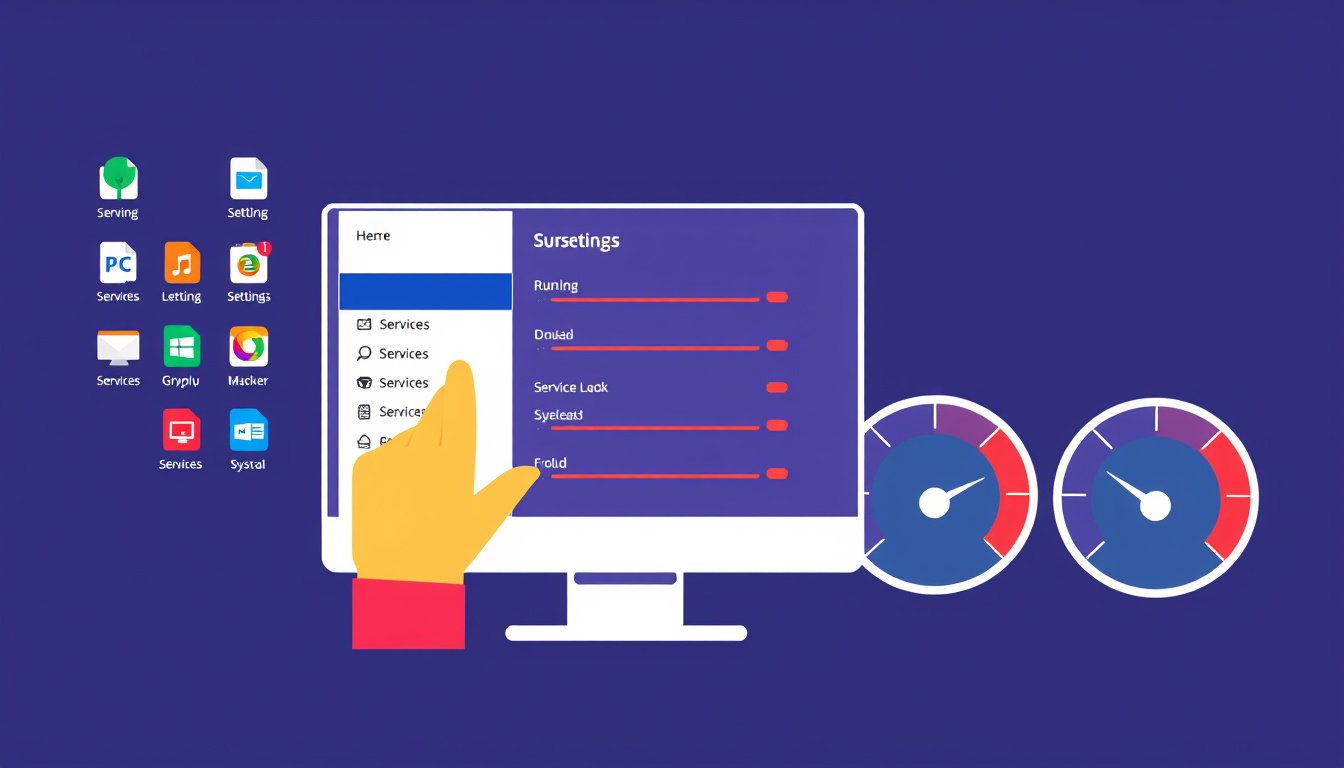

Modern operating systems like Windows come with numerous background services designed to support a wide range of hardware and software configurations. While these services improve functionality and user experience for general purposes, many of them are unnecessary for specific use cases like gaming, live audio processing, or simple daily tasks. Disabling these unneeded services can free system resources, reduce boot time, and enhance overall performance.


This guide provides a comprehensive overview on identifying and safely disabling unnecessary Windows services to optimize your PC’s speed and responsiveness.
What Are Windows Services?
Windows services are background processes that operate independently of user sessions. They handle tasks such as device management, system security, network connectivity, and telemetry. Although essential for many functions, some services may run even when their features aren’t used, consuming CPU, memory, and disk I/O in the background.
Why Disable Unnecessary Services?
- Improve performance: Reduce CPU and memory usage by stopping redundant services.
- Speed up startup: Fewer services launching at boot means faster logins.
- Increase security: Disabling certain services (like Remote Registry) can harden your system.
- Reduce network activity: Services that send telemetry or sync data can be halted to minimize background network use.
Preparation Before Disabling Services
Some services are critical for system operation or specific programs. Disabling the wrong ones can lead to system instability or loss of functionality.
Before proceeding:
- Create a system restore point or full backup.
- Note services you disable so you can re-enable if needed.
- Disable services one by one, rebooting and confirming system stability after each change.
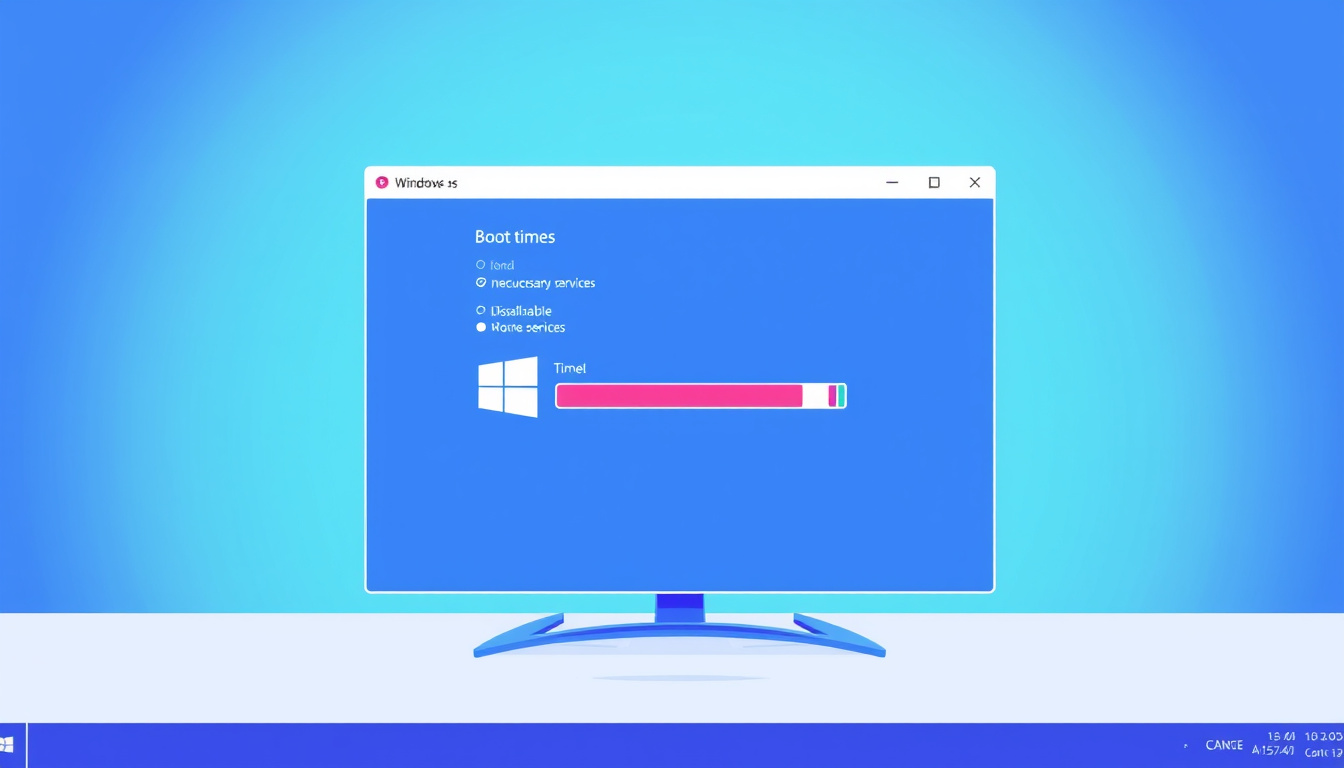
How to Disable Services Manually
-
Open Services Management Console:
- Press
Win + R, typeservices.msc, and press Enter. - Alternatively, search for “Services” in the Start menu.
- Press
-
Review Service Descriptions:
- Double-click any service to see its description.
- Decide if the service is necessary for your workflow.
-
Stop and Disable:
- To stop a running service, click
Stop. - Change
Startup typetoDisabledto prevent it from restarting on boot. - Click
ApplyandOK.
- To stop a running service, click
Common Unnecessary Services You Can Disable
The following list includes many services commonly disabled for optimization, particularly on systems not using specialized functions like printing, Bluetooth, or Hyper-V virtualization.
General Services:
- Print Spooler: Disable if you don’t use a printer.
- Remote Registry: Improves security by blocking remote registry editing.
- Windows Search: Disable if you don’t need instant file search.
- Windows Update: (Be cautious; only disable temporarily if needed.)
- Fax: Unnecessary without fax hardware.
- Parental Controls: If not used.
- Bluetooth Support Services: Disable if you don’t use Bluetooth devices.
- Windows Insider Service: Disable unless you participate in the Insider program.
- Connected User Experiences and Telemetry: Stops sending usage data to Microsoft.
Gaming-Related Services:
- Xbox Accessory Management Service
- Xbox Live Auth Manager
- Xbox Live Networking Service
- GameDVR and Broadcast User Service
Disable these if you don’t use Xbox or game recording features.
Network-Related Services:
- Netlogon: Only for domain environments.
- Internet Connection Sharing (ICS): Disable if you don’t share internet connections.
- TCP/IP NetBIOS Helper: Disable if legacy file sharing is not needed.
Hyper-V and Virtualization Services:
If you don’t use Hyper-V virtualization, consider disabling:
- HV Host Service
- Hyper-V Data Exchange Service
- Hyper-V Guest Service Interface
(Several Hyper-V related services)
Location and Device Services:
- Geolocation Service: If you don’t allow apps to access your location.
- Windows Camera Frame Server: If no webcam is used.
- Windows Image Acquisition (WIA): Installed scanner support.
- Bluetooth Audio Gateway Service: For Bluetooth audio devices.
Disabling Services Using a PowerShell Script
For users comfortable with scripting, automating the disabling process is possible with PowerShell.
Here’s a simple example of how to disable multiple services at once:
$services = @(
    "Spooler",
    "RemoteRegistry",
    "WSearch",
    "Fax",
    "BthServ",  # Bluetooth Support Service
    "XboxGipSvc",  # Xbox services example
    # Add other service names here
)

foreach ($service in $services) {
    Write-Output "Disabling $service"
    Get-Service -Name $service -ErrorAction SilentlyContinue | Set-Service -StartupType Disabled -Status Stopped
}
Running the script:
-
Open PowerShell as Administrator (
Win + X, then select “Windows PowerShell (Admin)” or “Terminal (Admin)”). -
If needed, adjust execution policy by running:
Set-ExecutionPolicy Unrestricted -Scope Process -Force -
Execute your script.
-
After completion, revert execution policy if altered:
Set-ExecutionPolicy RemoteSigned -Scope Process -Force
Note that service names must match the internal service name, not necessarily the display name.
Important Considerations
- System Services: Some services cannot be disabled as they are integral to Windows.
- Third-party Software: Make sure you understand dependencies; some applications require specific services.
- Testing: Disable services one at a time and test system stability.
- Updates: Some Windows updates may re-enable disabled services.
Conclusion
Disabling unnecessary Windows services is a valuable technique to maximize system performance, particularly on machines dedicated to specific uses like gaming, audio work, or general productivity without extra bells and whistles. With careful selection and proper backup, you can safely streamline your PC for faster boot times, better responsiveness, and improved resource allocation.
Remember: Always research individual services before disabling them. When in doubt, seek advice from trusted technical resources or communities.
By following this guide, you’ll gain better control over your Windows environment and unlock your system’s full potential!
About the Author