
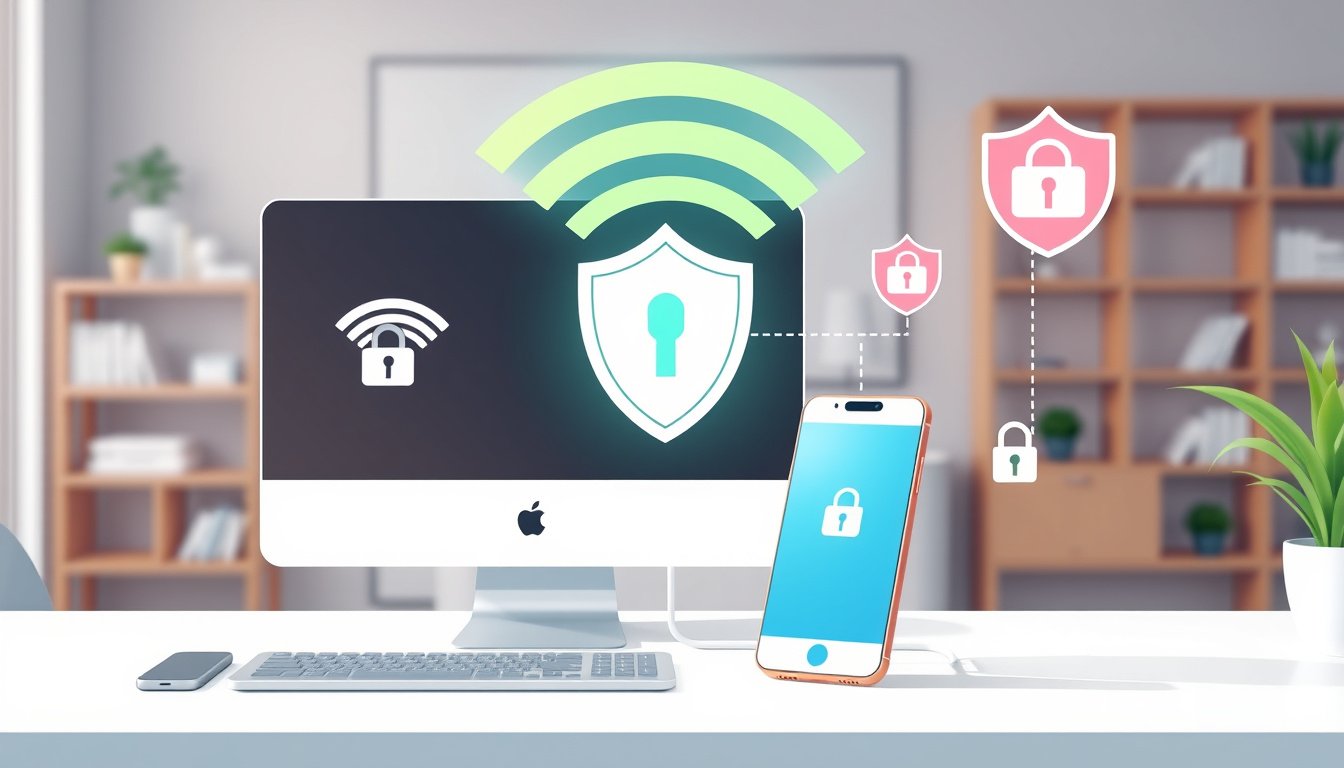

In today’s digital age, staying connected to the internet is essential for work, communication, and entertainment. However, as reliance on Wi-Fi networks grows, so do the risks associated with unsecured or public wireless connections. Using password-protected Wi-Fi networks significantly reduces these risks by adding a layer of security. This guide provides you with key insights and practical steps to safely use password-protected Wi-Fi networks and protect your data from cyber threats.


Why Use Password-Protected Wi-Fi?
Password protection on Wi-Fi networks encrypts the data transmitted between your device and the router, making it more difficult for unauthorized users to intercept sensitive information. Open or unsecured Wi-Fi networks, often found in cafes, airports, or hotels, do not offer this protection and can expose users to data theft, hacking, or malware infections.
How to Safely Use Password-Protected Wi-Fi Networks
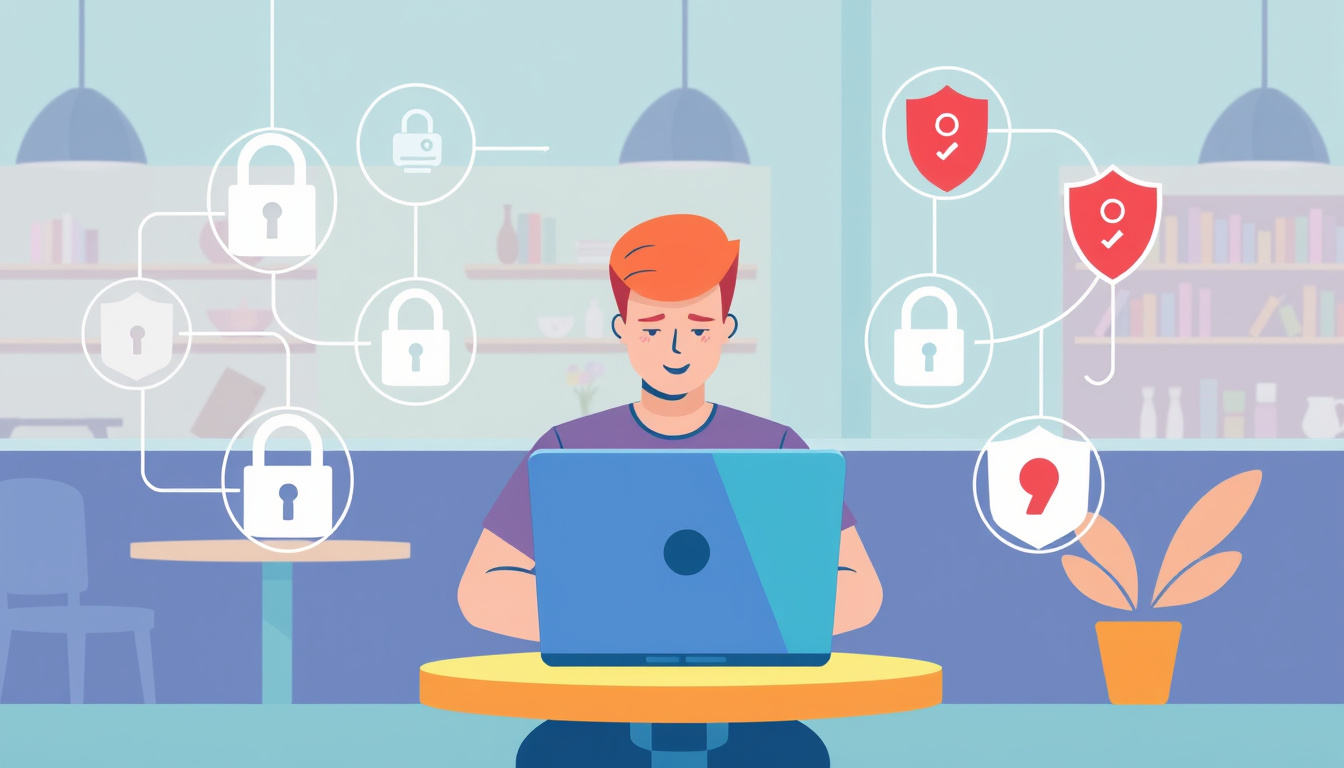
1. Confirm the Network’s Authenticity
Before connecting, verify you are joining the legitimate Wi-Fi network. Cybercriminals often set up fake hotspots mimicking popular or nearby networks with similar names (called "evil twin" networks). To avoid this:
- Check with staff or signage at the location to confirm the exact network name.
- Avoid connecting to networks that seem generic or suspicious.
- Prefer well-known branded networks, which tend to be more secure than random free Wi-Fi options.
2. Disable Auto-Connect
Many devices automatically connect to known or nearby Wi-Fi networks, which can inadvertently connect you to unsafe networks. Protect yourself by:
- Turning off automatic Wi-Fi connectivity features in your device settings.
- Deleting or “forgetting” networks after use, especially public ones.
- Keeping Bluetooth turned off in public places to prevent unauthorized access via this channel.
3. Turn Off File Sharing
Public networks can allow others to access your shared files if sharing is enabled. To bolster your security:
- Disable file sharing and network discovery features on your device.
- On Windows, select the “Public” profile when connecting to new networks to automatically limit sharing.
- On Macs and iOS devices, disable AirDrop and other sharing options when on public Wi-Fi.
4. Use a VPN (Virtual Private Network)
A VPN encrypts all your internet traffic and routes it through a secure server, hiding your data from anyone on the same network. Using a reputable VPN service is one of the most effective ways to stay safe on any Wi-Fi network, including public or password-protected ones.
5. Be Vigilant With Websites and URLs
Even on secured networks, hackers may set up malicious sites to capture your data. Follow these tips:
- Look for URLs starting with "https://" and a padlock icon—but be aware that these indicators can be spoofed.
- Avoid clicking links in suspicious emails or messages.
- Double-check domain names for misspellings or irregularities to prevent phishing scams.
6. Limit Access to Sensitive Information
Avoid performing sensitive activities such as online banking, shopping, or accessing personal accounts while on public Wi-Fi—even if password-protected—unless you are using a VPN. If necessary, consider using your mobile phone’s personal hotspot instead.
7. Prefer Secured Networks Over Unsecured
Password-protected Wi-Fi networks are usually safer because they require authentication and typically employ encryption standards like WPA2 or WPA3. Avoid connecting to open networks without passwords, as they expose your data to prying eyes.
8. Keep Your Firewall and Antivirus Enabled
Firewalls act as a shield against unauthorized network traffic, while antivirus software detects and removes malicious threats. Ensure both are activated and kept up to date, especially when connecting to any Wi-Fi network.
9. Use Multi-Factor Authentication (MFA)
Enable MFA on accounts where possible. This additional layer of security requires a second verification step, such as a code sent to your phone, making it far harder for attackers to access your accounts even if your credentials are compromised.
10. Stay Aware of Your Devices
Never leave your devices unattended in public spaces. Physical theft or unauthorized access can lead to data breaches regardless of network security.
Additional Best Practices for Wi-Fi Security
- Use strong, unique passwords for your home and work Wi-Fi networks.
- Regularly update your device software to patch security vulnerabilities.
- Delete unnecessary files and browsing data routinely.
- Avoid installing software or browser extensions prompted by a public network.
- Be cautious about the personal information you share online and on social media.
Conclusion
Using password-protected Wi-Fi networks is a critical step in safeguarding your online activity from cyber threats. By confirming network legitimacy, managing your device settings, employing VPNs, maintaining updated security tools, and adopting cautious browsing habits, you can significantly minimize risks and enjoy safer internet access wherever you go. Stay informed and vigilant to keep your data secure in an increasingly connected world.
By following these guidelines, you empower yourself with the knowledge and tools necessary to use Wi-Fi networks securely and confidently. Remember, your internet safety depends not just on the network, but on your proactive security habits as well.
About the Author