
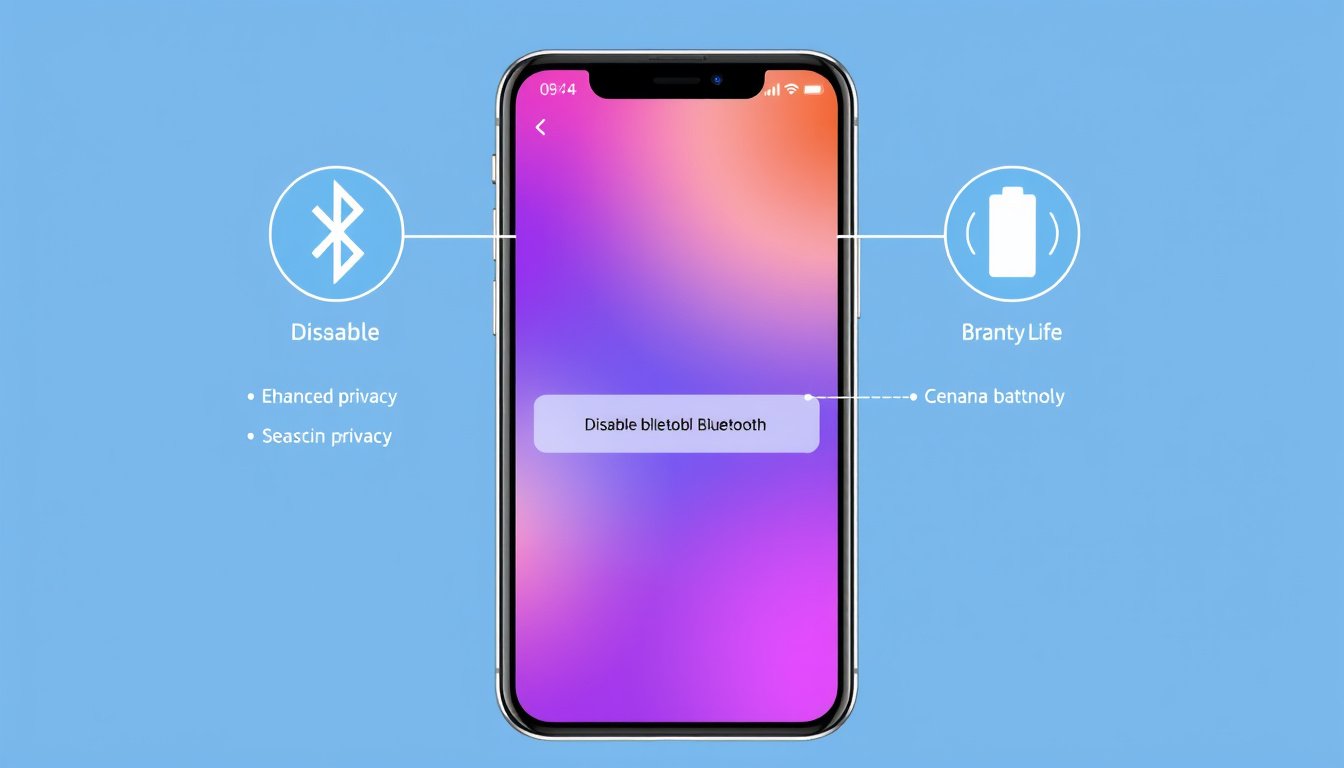

Bluetooth technology has become an integral part of our daily lives, enabling seamless wireless connections between smartphones, headphones, speakers, cars, and a multitude of other devices. While Bluetooth offers great convenience, it can also pose challenges such as unintentional connections, security vulnerabilities, and unnecessary battery drain. Understanding how and when to disable Bluetooth is essential for safeguarding your privacy and optimizing your device’s performance.


In this guide, we’ll walk you through why disabling Bluetooth when it’s not in use is important and provide straightforward steps to turn it off on your device. Whether you use Android, iOS, or other platforms, mastering this simple habit can enhance your digital experience.
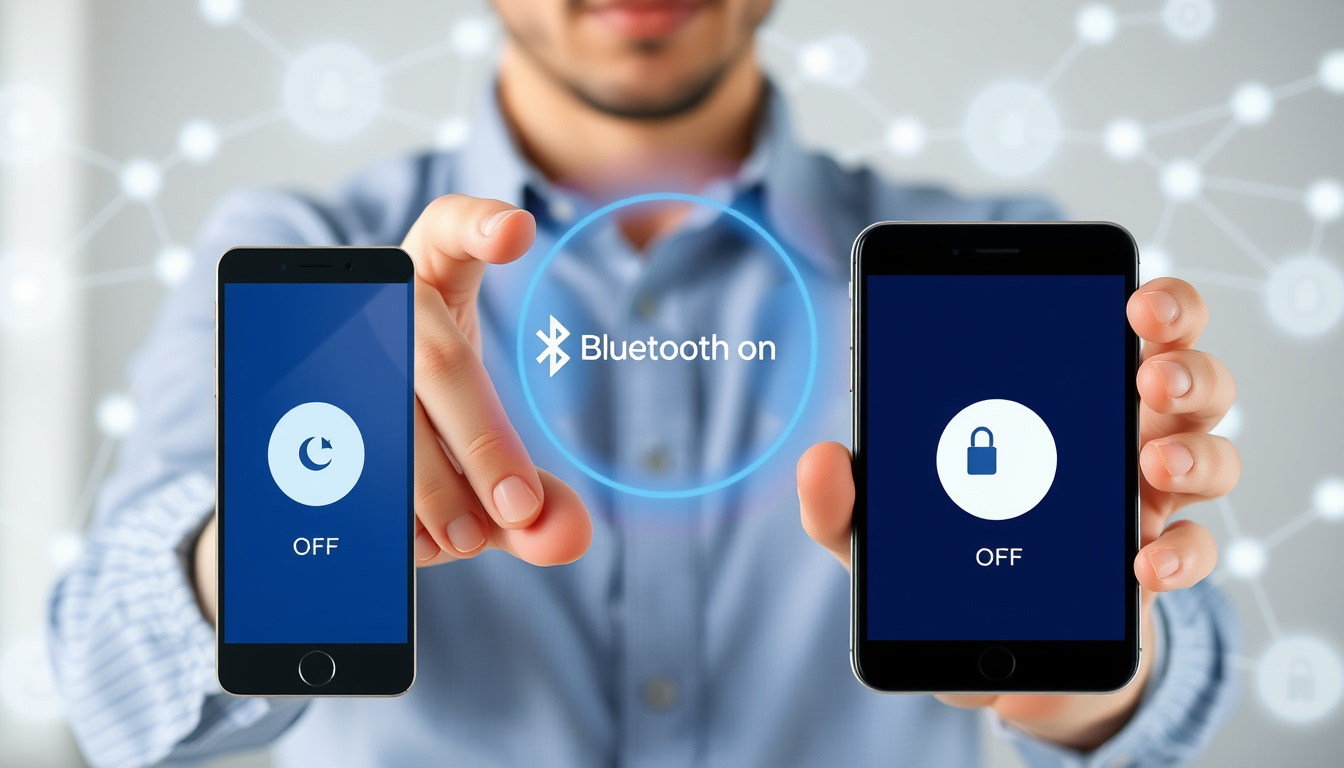
Why Disable Bluetooth When Not in Use?
Disabling Bluetooth after use might seem like an extra step, but it carries significant benefits:
1. Enhanced Privacy and Security
When Bluetooth is enabled, your device actively searches for other discoverable devices to connect with. This can inadvertently expose your device to unauthorized connections or hacking attempts, especially in public or crowded places. Cybersecurity incidents related to Bluetooth vulnerabilities have been documented over the years, reminding users to exercise caution.
By disabling Bluetooth when idle, you reduce the risk of malicious entities accessing your personal data or connecting to your device without permission.
2. Prevent Unwanted Auto-Connections
Auto connect is a common Bluetooth feature that attempts to pair your device automatically with previously paired hardware. While convenient, it can sometimes cause disruptions. For example, playing music on a Bluetooth speaker at home only to have it suddenly switch over to your car stereo or a Bluetooth headset activating in your pocket can break your experience.
Turning off Bluetooth when not actively needed prevents such unpredictable auto-connections and offers better control over your device’s outputs.
3. Improve Battery Life
Bluetooth radio consumes power from your battery, even if no device is actively paired or in use. Disabling Bluetooth can save battery, especially if you’re on the move and need to conserve power for essential functions like calls and messaging.
How to Disable Bluetooth on Common Devices
Android Devices
- Quick Toggle: Swipe down from the top of your screen (you may need to swipe twice depending on your Android version). Tap the Bluetooth icon to toggle it off.
- Settings Menu: Go to
Settings>Connected Devices>Connection Preferences>Bluetooth. Toggle the switch off.
Keeping Bluetooth toggled off here helps prevent your device from constantly searching for or auto-connecting to devices nearby.
iOS Devices (iPhone and iPad)
- Control Center: Swipe down from the top-right corner (iPhone X and later) or swipe up from the bottom (iPhone 8 and earlier). Tap the Bluetooth icon to turn it off. Note that iOS disables new connections but maintains current connections unless fully turned off in Settings.
- Settings Menu: Open
Settings>Bluetoothand toggle Bluetooth completely off to fully disable it.
Windows and MacOS
- Windows: Click the
Startbutton >Settings>Devices>Bluetooth & other devicesand toggle Bluetooth off. - MacOS: Click the Bluetooth icon in the menu bar and select
Turn Bluetooth Off.
Tips for Managing Bluetooth Auto-Connect
If disabling Bluetooth every time seems inconvenient, consider these strategies to manage connections more effectively:
- Forget Unused Devices: Remove pairings for devices you rarely use from your device’s Bluetooth settings. This stops them from reconnecting automatically.
- Manage Device Permissions: Some devices allow disabling auto-connect on a device-by-device basis. Check your device’s advanced Bluetooth options.
- Use Airplane Mode or Do Not Disturb: Temporarily restrict wireless communications while still able to access your device.
- Keep Your Software Updated: Updates often bring improvements to Bluetooth management and security features.
Final Thoughts
Disabling Bluetooth whenever it’s not actively in use may seem minor but adopting this simple practice can significantly boost your privacy, prevent unwanted interruptions, and extend your device’s battery life. By becoming familiar with how to toggle Bluetooth on and off across your devices, you gain better control over your wireless connections and a safer, more efficient mobile experience.
Remember, a mindful approach to Bluetooth usage aligns with modern security recommendations and helps keep your personal data secure in an increasingly connected world.
Master your device today by making disabling Bluetooth when not in use a routine habit to maximize your privacy and efficiency.
About the Author