

In today’s digital age, computers often accumulate numerous software applications—many of which become obsolete or unused over time. These dormant programs can consume valuable disk space, slow system performance, and even pose security risks if left unchecked. Regularly uninstalling unused software is essential for maintaining a streamlined, efficient, and secure computing environment. This guide walks you through the best practices and tools available to help you uninstall unwanted programs effectively on Windows systems.


Why Uninstall Unused Software?
Removing software you no longer use offers several benefits:
- Improved System Performance: Unused programs may run background processes, consume memory, and slow down startup times.
- Increased Disk Space: Deleting software frees up storage, allowing room for important files and new applications.
- Enhanced Security: Outdated or rarely updated software can harbor vulnerabilities exploitable by malware.
- Reduced Clutter: A cleaner system makes it easier to navigate and manage installed applications.
How to Uninstall Unused Software on Windows
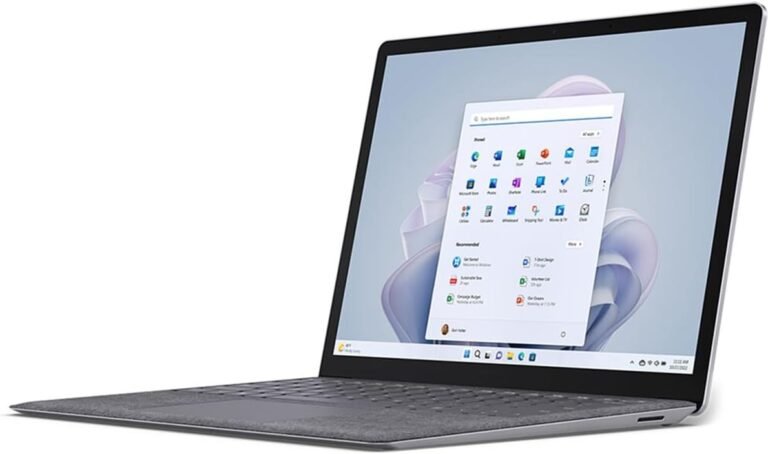
Windows provides several built-in options to remove software, catering to different user preferences and system versions.
1. Uninstall via Start Menu
- Click the Start button.
- Select All apps to view the full list of installed applications.
- Locate the software you want to remove.
- Right-click on the app and select Uninstall.
- Follow the on-screen prompts to complete the process.
This method is useful for quick removal of traditional apps and modern Windows Store apps.
2. Uninstall through Settings
- Open Start > Settings > Apps > Installed apps.
- Scroll or search for the program.
- Click the three-dot menu (More) next to the app name.
- Select Uninstall and proceed through the uninstall wizard.
Note: Some system apps or built-in Windows features cannot be removed here.
3. Use the Control Panel for Traditional Programs
- Type Control Panel in the search bar and open it.
- Navigate to Programs > Programs and Features.
- Find the software you wish to remove.
- Right-click the program and select Uninstall or Uninstall/Change.
- Follow the prompts to finalize removal.
This method is often preferred for legacy software not listed in the modern Settings app.
4. Troubleshooting Uninstall Issues
If uninstalling through Windows tools leads to errors or incomplete removals:
- Run the Program Install and Uninstall Troubleshooter available from Microsoft, which fixes corrupt registry keys or uninstallation failures.
- Scan your system with Windows Security or trusted antivirus programs to detect and eliminate malware that might interfere with software removal.
Advanced Tools for Complete Uninstallations
While Windows provides foundational uninstall utilities, third-party uninstaller programs offer enhanced features to remove stubborn software and clean residual files.
Revo Uninstaller Pro
Revo Uninstaller Pro is a powerful tool designed to fully remove unwanted programs, including those that resist standard uninstallation.
Features:
- Advanced three-mode leftover removal and scanning for residual files.
- Batch and quick uninstallation support to remove multiple apps simultaneously.
- Forced uninstall functionality to delete remnants of partially uninstalled software.
- Real-time installation monitoring and comprehensive logs.
- Registry cleaning and backup options.
Revo Uninstaller is ideal for users seeking thorough control and cleanup beyond default Windows tools.
IObit Uninstaller
IObit Uninstaller offers a free and user-friendly option to remove unwanted software, browser extensions, and Windows apps efficiently.
Highlights:
- Detects and deletes stubborn or malicious programs that are hard to remove.
- Automatically scans and removes leftover files such as temporary files, registry entries, and configurations.
- Supports batch uninstallation to free space quickly.
- Includes a browser extension manager for Chrome, Firefox, Edge, and Internet Explorer.
- Features a secure file shredder to permanently delete sensitive files.
- Provides real-time monitoring of system changes during software installation.
IObit is well suited for users who want a safe and comprehensive uninstaller with extra tools for system health management.
Best Practices for Uninstalling Software
- Backup Important Data: Before uninstalling, ensure you have saved vital data or settings to avoid accidental loss.
- Create a System Restore Point: This allows you to revert your system if an uninstallation adversely affects stability.
- Uninstall One Application at a Time: Especially if you are unfamiliar with the software; this helps isolate potential issues.
- Use Built-in Windows Tools First: If problems occur, escalate to advanced third-party uninstallers.
- Regularly Review Installed Programs: Periodically check your system for apps you no longer need to maintain optimal performance.
Conclusion
Uninstalling unused software is a straightforward but crucial task to optimize your system’s speed, security, and storage capacity. Whether you use Windows’ native uninstallation methods or leverage powerful third-party tools like Revo Uninstaller Pro or IObit Uninstaller, maintaining a clutter-free PC enhances your overall computing experience. Make it a regular habit to audit and remove software you no longer utilize—your system will thank you with faster response times and fewer distractions.
Keep your PC running smoothly by managing your software wisely and uninstalling the programs that no longer serve your needs.
About the Author