

In today’s digital landscape, maintaining online security and privacy is more vital than ever. One of the most effective tools to safeguard your internet traffic and protect sensitive data is a Virtual Private Network (VPN). Configuring a VPN properly ensures your connection stays encrypted and your data remains private, especially when using public or untrusted networks. This guide will walk you through the importance of VPNs, how to configure them correctly, and best practices to maximize your online safety.


What is a VPN and Why Configure It for Security?
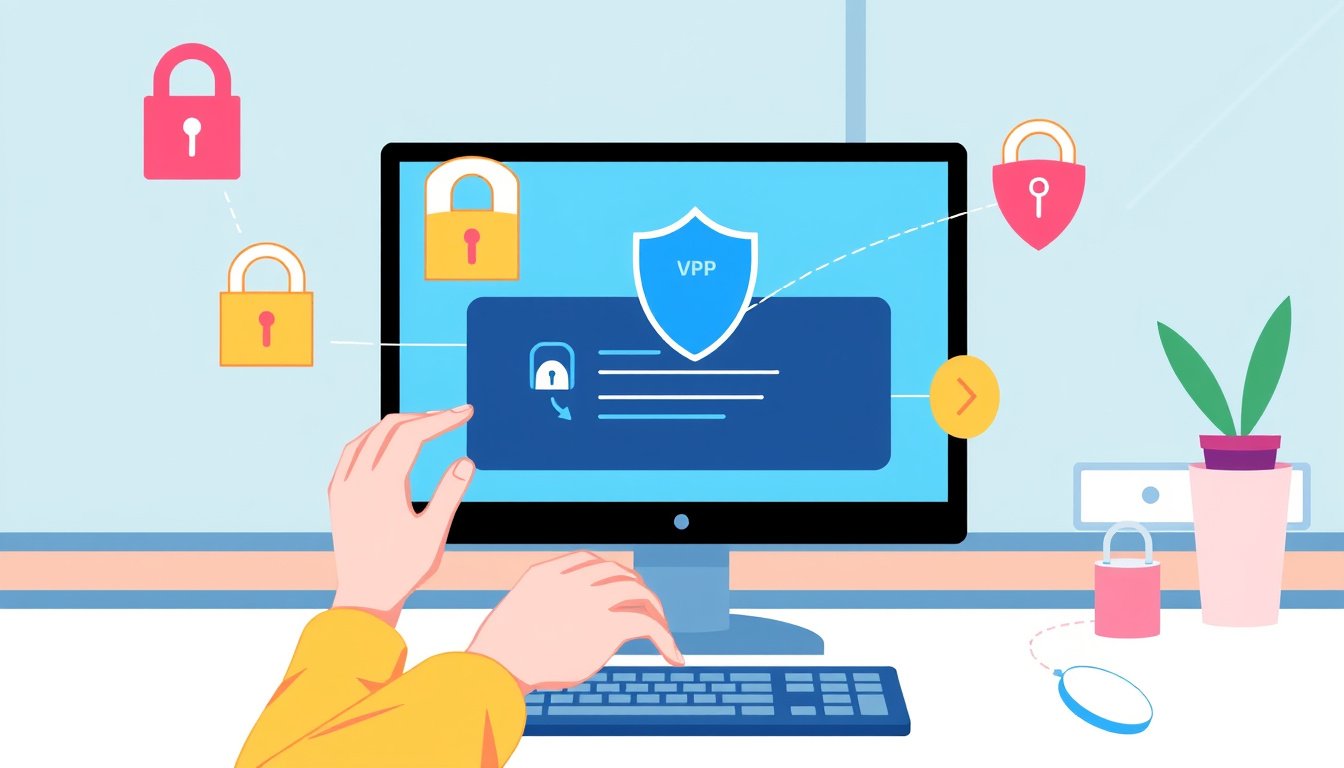
A VPN is a software tool that creates an encrypted “tunnel” between your device and a VPN server. This tunnel hides your IP address and encrypts your web traffic, providing:
- Privacy: Prevents ISPs, hackers, or government entities from tracking your online activity.
- Security: Shields your data from interception, especially over public Wi-Fi networks.
- Access: Enables bypassing geographic restrictions and censorship by routing your connection through servers worldwide.
Proper configuration is crucial. A misconfigured VPN may leak data or fail to adequately protect your connection.
Preparing to Configure Your VPN: Choosing the Right Service and Understanding Your Needs
Before setting up a VPN, identify your objectives and security needs. Are you aiming to protect personal data on public Wi-Fi, access corporate resources remotely, or bypass content restrictions? Each use case may favor different VPN protocols and settings.
Selecting a VPN Service
- Opt for providers with strong privacy policies, no-logs commitments, and robust encryption standards.
- Services like NordVPN, Surfshark, and Private Internet Access are recognized for ease of use and security.
- Consider whether you prefer a full software app or manual VPN setup.
Step-by-Step Guide to Configuring a VPN for Maximum Security
1. Using a VPN App (Recommended for Most Users)
This is the simplest method and offers automatic configuration of encryption, protocols, and servers.
- Purchase and register an account with your selected VPN provider.
- Download and install the VPN app on all devices (Windows, Mac, iOS, Android).
- Log in and authenticate with your credentials.
- Select a VPN server location to connect to.
- Enable any additional security features such as kill switch, DNS leak protection, or multi-hop connections.
2. Manual VPN Configuration (For Advanced Users and Enterprise)
Manual setup allows custom configurations and is often necessary for connecting to corporate VPNs or when apps are unavailable.
Example: Configure VPN on Windows 11
- Open Settings > Network & Internet > VPN > Add VPN.
- For VPN provider, select Windows (built-in).
- Enter Connection name (e.g., “Work VPN”) and Server address.
- Select VPN type according to your service’s protocol: typically IKEv2, L2TP/IPsec, or OpenVPN (if supported).
- Choose sign-in info: username/password, certificate, or smart card.
- Save settings and connect via the Network icon in the taskbar.
- Verify connection by checking the VPN status as “Connected” with a shield icon.
macOS, Android, and iOS Configuration
- Navigate to your device’s network or VPN settings.
- Manually add a VPN profile with the required server, protocol, and authentication details.
- For iOS, import any certificate files as required.

Best Practices for Secure VPN Configuration
Use Strong VPN Protocols and Cryptography
- Prefer IPsec or TLS-based (SSL) VPNs for robust encryption.
- Avoid outdated protocols like PPTP due to security vulnerabilities.
- Utilize client certificates over pre-shared keys for better authentication management.
- Ensure cryptographic parameters comply with current security standards.
Leverage Built-In VPN Clients When Possible
- Many modern operating systems include integrated VPN clients that support major protocols.
- Built-in clients are regularly updated and typically free, reducing complexity.
Enable Security Features
- Kill switch: Automatically blocks internet traffic if the VPN disconnects, preventing data leaks.
- DNS leak protection: Ensures DNS requests are routed through the VPN to keep your browsing private.
- Multi-factor Authentication: Adds an extra layer of security for VPN login.
Regularly Update VPN Software and Clients
- Keep your VPN client and device OS patched to protect against vulnerabilities.
- Review and update VPN configurations as needed.
How VPNs Fit Into Your Overall Security Strategy
While VPNs provide essential data-in-transit protection, they are not a silver bullet:
- VPNs do not protect against malware or phishing.
- Complement VPN use with antivirus software and cautious online behavior.
- Organizations should consider broader network strategies, such as zero-trust architectures, for a more comprehensive security posture.
Conclusion
Configuring a VPN correctly is a powerful way to safeguard your online activities, ensuring your privacy, security, and freedom on the internet. Whether for personal use to encrypt your connection on public networks or enterprise setups to securely connect remote workers, following these configuration guidelines and best practices will help you maximize VPN security and maintain peace of mind in a connected world.
By understanding your security goals and carefully selecting protocols, authentication methods, and VPN types, you can master online safety and confidently enjoy the advantages of a VPN.
About the Author