

In today’s digitally driven world, web browsers are our gateway to the internet. However, mainstream browsers like Chrome, Firefox, and Edge, while feature-rich, can consume significant system resources such as RAM and CPU power. This can lead to slower performance, especially on low-end or older computers. Enter light-weight browsers — a fast, efficient alternative designed to deliver a smooth browsing experience without hogging your system’s resources. This guide explores what lightweight browsers are, their benefits, and a comprehensive overview of some notable options to help you unlock speed and efficiency online.


What Are Light-Weight Browsers?
A light-weight browser is a web browser specially designed to minimize system resource consumption, focusing on a reduced memory footprint and lower CPU usage. To achieve this, lightweight browsers often forgo some advanced features and extensions that mainstream browsers offer. They are ideal for users with less powerful computers or those who desire faster startup times, quicker page loads, and snappier performance.
Key Characteristics:
- Minimalistic design and user interface
- Lower memory (RAM) and CPU consumption
- Basic but modern web compatibility
- Reduced or absent bloatware and unnecessary features
- Often open-source and privacy-focused
Why Use a Light-Weight Browser?
- Speed: Faster launching and page rendering due to fewer running processes and streamlined code.
- Efficiency: Frees up memory and CPU, allowing other applications to run smoothly.
- Improved Battery Life: On laptops, less intensive browsing means less power drain.
- Compatibility with Lower-End Devices: Older PCs and netbooks often run sluggishly with standard browsers but perform well with lightweight alternatives.
- Privacy and Reduced Tracking: Many lightweight browsers avoid bundled ads and tracking scripts by default.
Popular Light-Weight Browsers: Features and Overview
Based on extensive comparison data and community insights, here are some noteworthy lightweight web browsers to consider:
1. Dillo
- Active Development Status: Yes
- Engine: Dillo (custom lightweight engine)
- Language: C, C++
- Platform Support: Linux, BSD, Windows (via Cygwin), Haiku, and others
- Strengths: Extremely small footprint, fast page loading times, simple UI
- Limitations: Limited modern web standards support (no JavaScript), better suited for browsing simple, static sites.
2. ELinks
- Active Development: Yes
- Engine: Links rendering engine
- Language: C, C++
- Platform Support: Linux, BSD, Windows (partial or dropped support)
- Strengths: Text-mode browsing (terminal-based), scripting support, tabbed browsing in terminal.
- Best for: Users comfortable with command-line interfaces or remote SSH sessions.
3. Falkon (formerly QupZilla)
- Engine: QtWebKit / Qt WebEngine
- Language: C++
- Platform: Linux, Windows, macOS
- Features: Modern web compatibility, built-in ad-blocker, tabs, bookmark manager.
- Use Case: Users who want a balance between lightweight performance and familiar graphical browser features.
4. K-Meleon
- Engine: Gecko / Goanna
- Platform: Windows
- Features: Highly customizable, fast, low memory usage.
- Notable: One of the oldest lightweight graphical browsers still active.
5. qutebrowser
- Engine: QtWebKit / Qt WebEngine
- Language: Python 3
- Platform: Linux, Windows, macOS
- Features: Keyboard-driven, minimal UI, scripting-friendly.
- Ideal for: Power users preferring keyboard navigation over mouse-driven browsing.
6. surf
- Engine: WebKitGTK
- Platform: Linux, BSD
- Features: Extremely minimal; no tabs by default, keyboard and mouse-driven.
- Best For: Users wanting a distraction-free browsing environment.
Emerging Lightweight Solution: Lightweight Chromium-Based Browser by xyloblonk
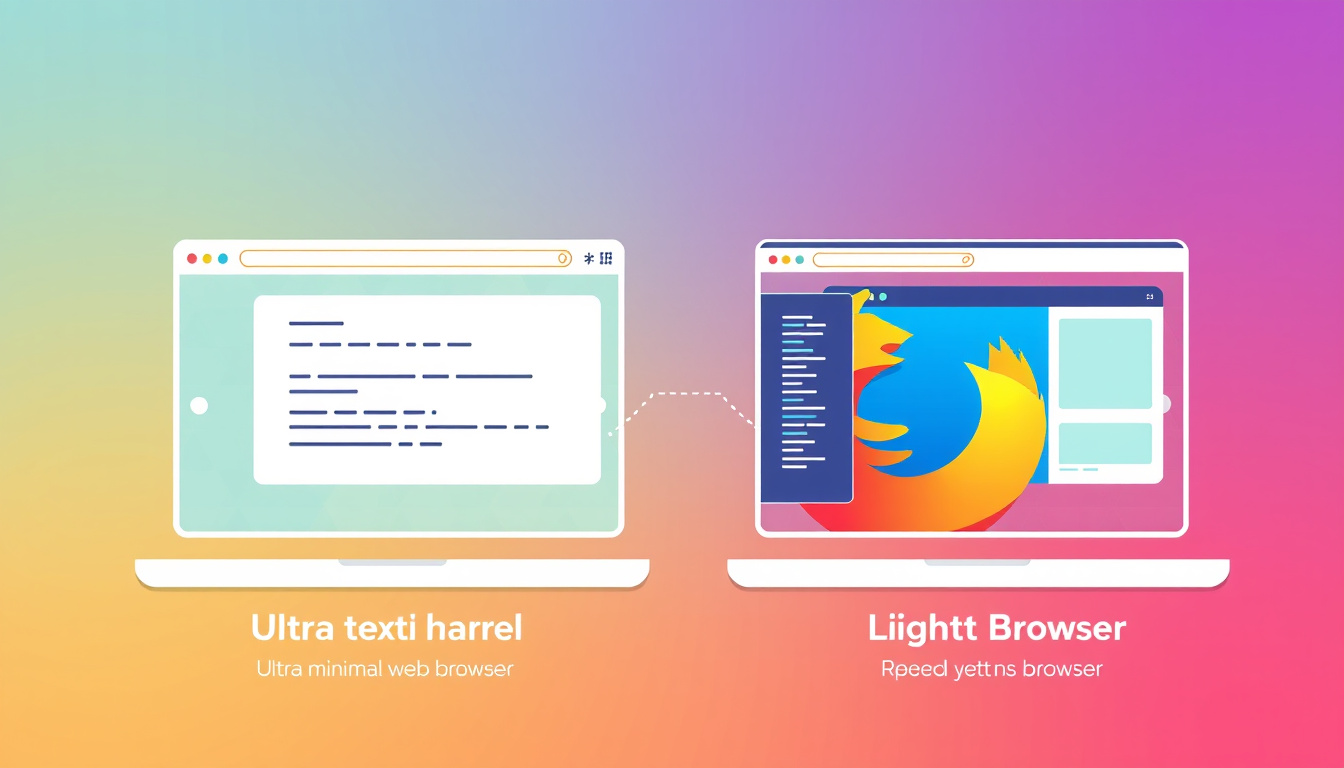
The desire for a lightweight but modern browser led to innovative projects like the xyloblonk lightweight browser. This browser is built on the Chromium engine but tailored to maintain low resource consumption — typically under 300 MB RAM, even with multiple tabs open.
Features:
- Chromium-based: Ensures compatibility with most web standards and websites.
- Minimalist and fast: Strips bloat while retaining essential developer tools and features.
- Built-in AdBlocker and SponsorBlock for reduced ads and sponsored content.
- Custom dark mode CSS injected into every webpage.
- Optimized for low-end GPUs by disabling unnecessary GPU usage.
- Tab support with smooth switching.
- Privacy-respecting search via DuckDuckGo integration.
- Open-source and actively developed for Windows.
Why It Stands Out:
- Addresses common complaints of Chromium’s heavy resource usage.
- Perfect for gamers or users on low-end systems who want a modern browsing experience without sluggishness.
- Integrates privacy-minded features without sacrificing usability.
How to Choose the Right Light-Weight Browser?
Consider these factors to find the best lightweight browser for your needs:
- Primary Use: Casual browsing vs developer use vs command-line browsing.
- Platform Compatibility: Windows, Linux, macOS, or niche OSes like Haiku or BSD.
- Feature Requirements: Minimal UI, tabs, customization, adblocking, JavaScript support.
- Resource Constraints: RAM availability, CPU power, GPU performance.
- Privacy Concerns: Built-in tracking protection or support for privacy extensions.
Tips for Maximizing Browser Performance
- Limit the number of open tabs.
- Disable or remove unnecessary extensions.
- Use browsers with built-in adblockers.
- Regularly clear cache and browsing data.
- Enable browser settings that optimize performance, such as hardware acceleration when appropriate.
Conclusion
Using lightweight browsers is a practical way to unlock quicker, more efficient internet browsing — especially if you have an older, less powerful PC or want to free resources for other tasks. Options range from ultra-minimal text-based browsers like ELinks and Lynx to modern lightweight Chromium-based browsers like xyloblonk’s project that keep advanced features while minimizing bloat.
By selecting a light-weight browser suited to your needs, you can enjoy faster load times, lower memory usage, improved battery life, and a decluttered, privacy-conscious browsing experience.
Explore lightweight browsers today and take a leap toward a faster, more efficient online world!
About the Author