
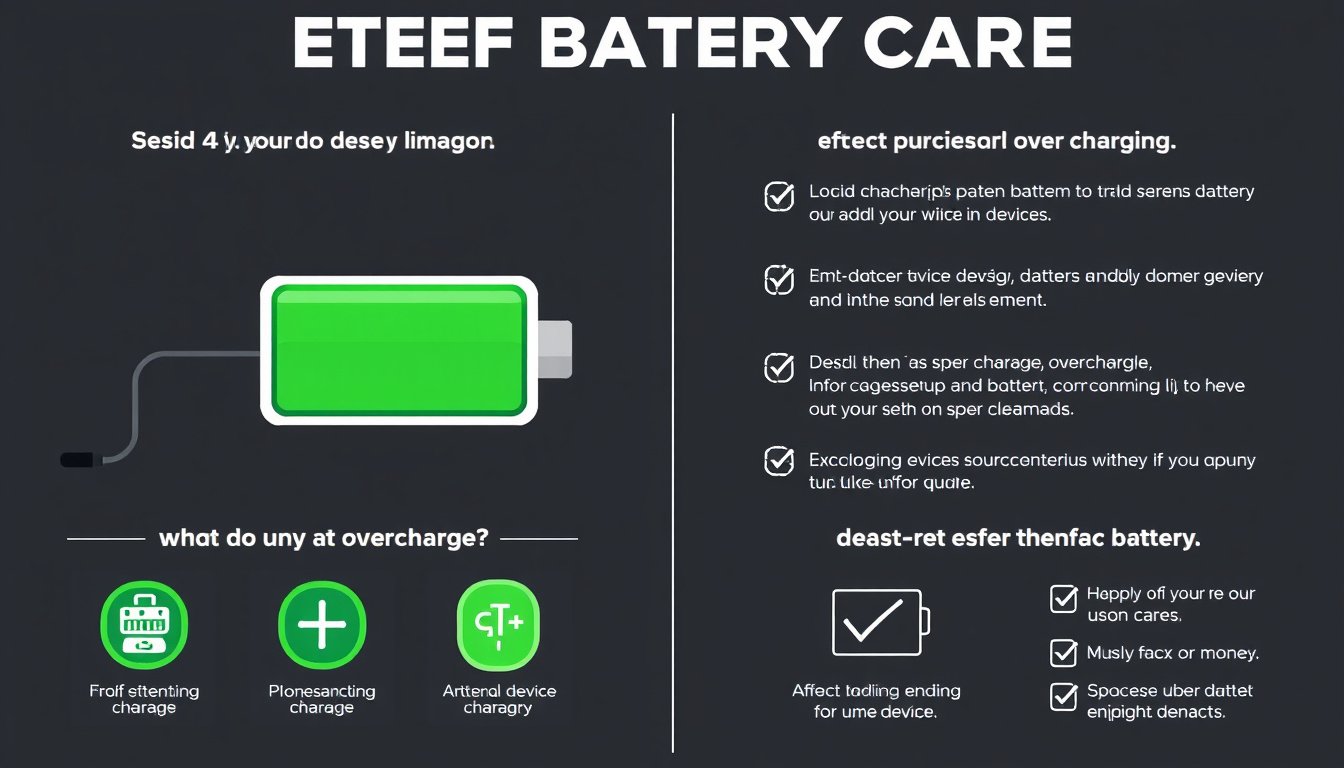

Batteries are the heart of many modern devices—from smartphones and laptops to electric vehicles and industrial machinery. Proper battery care is essential to ensure safety, maintain performance, and prolong battery life. One of the most critical aspects of battery maintenance is avoiding overcharging, a condition that can severely degrade battery health, cause safety hazards, and lead to costly replacements. This guide explores why overcharging happens, its consequences, and practical strategies to prevent it effectively.


Understanding Battery Overcharging and Its Risks
Battery overcharging occurs when a battery continues to receive electrical current after it has reached full capacity. This excessive input of energy forces chemical reactions beyond the designed limits of the battery cells. In common lithium-ion or lead-acid batteries, overcharging can lead to undesirable effects such as:
- Elevated temperatures which may cause thermal runaway — a dangerous chain reaction leading to overheating, fire, or explosion.
- Excessive gassing where chemical byproducts accumulate as gas inside the battery, risking rupture or leakage.
- Electrolyte depletion reducing battery capacity and accelerating wear.
- Permanent reduction in battery lifespan due to cell damage and imbalanced charging.
In high-performance or industrial applications, such as electric racing cars or modular energy storage systems, the impact can be even more severe. These environments involve rapid charge-discharge cycles and extreme temperatures, heightening the chance of hazardous failure if overcharging occurs.
Essential Techniques to Avoid Battery Overcharging
1. Utilize Advanced Battery Management Systems (BMS)
Modern battery packs typically incorporate a Battery Management System — an intelligent electronic circuit that continuously monitors:
- Cell voltages
- Charging current
- Temperatures across the pack
Advanced BMS units actively regulate charging by adjusting parameters in real time, halting charging when cells approach full capacity. In complex battery installations like those in electric vehicles or industrial setups, BMS may employ predictive algorithms to preclude dangerous overvoltage or thermal conditions. For users, ensuring the presence of a reliable and well-configured BMS is crucial to safe and effective battery charging.
2. Set Accurate Charging Voltage and Current Limits
Each battery chemistry has specific safe voltage and current thresholds. For instance, lithium-ion cells generally should not exceed 4.2 volts per cell during charging, while lithium iron phosphate cells have a lower safe maximum around 3.6 volts per cell.
Charging techniques such as constant current–constant voltage (CC-CV) help maintain these limits:
- Initially, a constant current charges the battery until voltage limits are nearly reached.
- Then the charger switches to constant voltage mode, tapering the current gradually until fully charged.
Selecting and programming chargers with appropriate voltage ceilings is essential. Overvoltage—even momentary spikes—can cause permanent damage. Additionally, charging parameters should be adapted to factors like ambient temperature and battery age to optimize safety and performance.
3. Implement Temperature Monitoring and Thermal Management
Heat is both a symptom and cause of charging issues. Batteries generate heat during charging, especially when pushed near their capacity limits. Overcharging exacerbates this effect, accelerating deterioration and raising the risk of thermal runaway.
Embed temperature sensors throughout the battery assembly to detect localized hotspots indicating uneven charging or impending failure. Effective cooling systems—whether air-cooled with fans and heat sinks or liquid-cooled for more aggressive thermal management—help dissipate excess heat.
Some systems also feature temperature-driven charging controls that automatically reduce or stop charging when critical temperature thresholds are exceeded, adding a safety layer beyond voltage monitoring.
4. Employ Redundant Safety Protocols
Never rely on a single system to protect against overcharging. Multi-layer safety mechanisms including:
- Backup voltage and temperature sensors
- Mechanical or electronic disconnects to interrupt charging circuits
- Fail-safe programming that defaults to safe modes on component failure
These redundancies are especially vital in mission-critical applications (racing, industrial power supplies) where failure consequences are severe. They provide assurance that overcharging cannot proceed unchecked even if one safety element malfunctions.
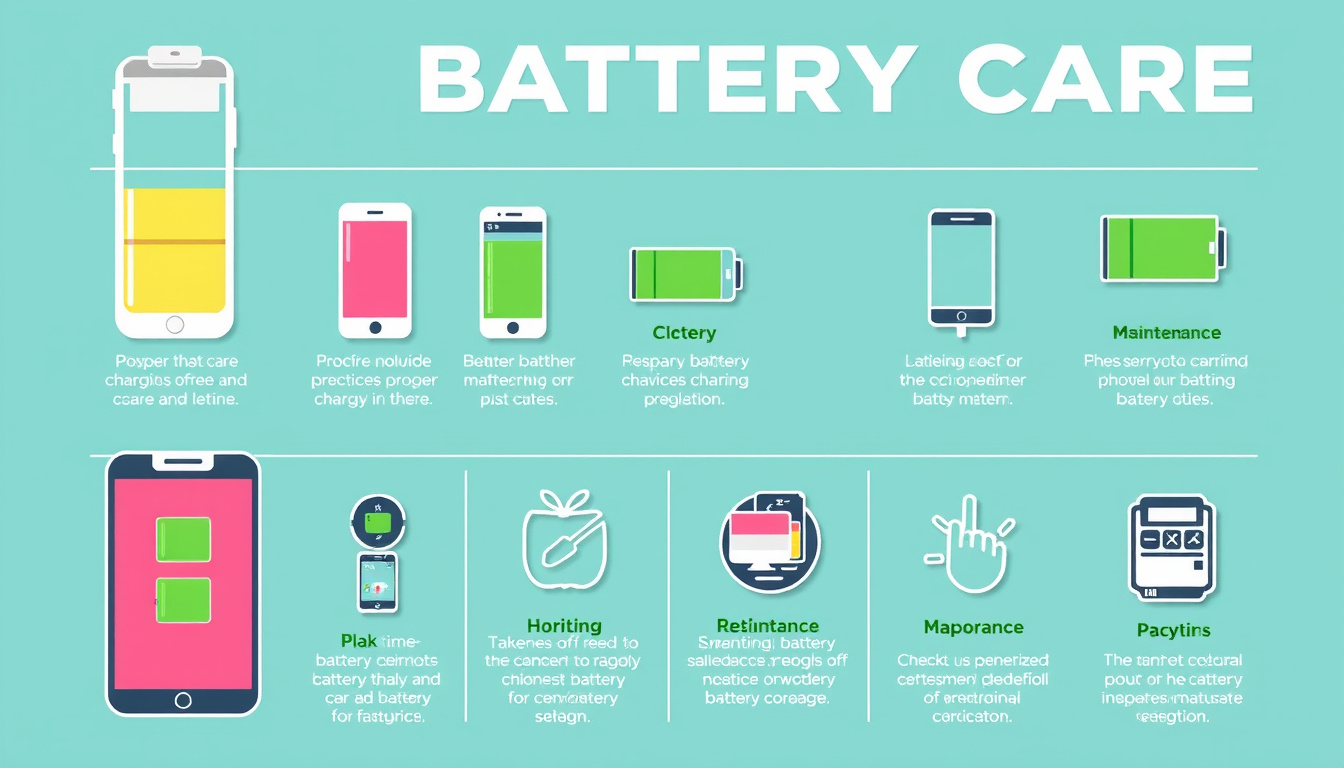
5. Perform Regular Maintenance and Calibration
Over time, sensors and electronic components can drift or degrade, introducing measurement errors that may allow unsafe charging conditions. Scheduled maintenance involves:
- Visual inspection of connectors, cables, and cooling systems
- Functional testing of monitoring and safety systems
- Calibration of voltage and temperature sensors to maintain accuracy
Detailed logs of battery health, charge cycles, and system alerts help detect trends indicating performance loss or emerging issues, enabling proactive interventions.
6. Tailor Charging Profiles to Your Specific Battery and Usage
Battery packs rarely operate under identical conditions throughout their lifecycle. Factors like temperature, charging speed demands, depth of discharge, and specific battery chemistry influence optimal charging strategies.
Custom charging algorithms balance the need for rapid recharge with longevity and safety considerations. For example, electric race cars use distinct charging profiles that account for track conditions, ambient temperature, and race schedules, ensuring peak battery performance without compromising safety.
Practical Recommendations for Everyday Users
- Use chargers designed or recommended for your battery type; avoid generic or incompatible chargers.
- Prefer fully automatic chargers with built-in voltage regulation and limited charging voltage (e.g., max ~14.7–14.8 V for lead-acid car batteries) to prevent overvoltage.
- Avoid unattended charging with chargers lacking automatic shutoff modes.
- Ensure that batteries prone to gassing are equipped with proper venting or degassing tubes to safely dissipate generated gases.
- Disconnect batteries from vehicles’ on-board electronics when necessary if high-voltage chargers are used.
- Follow manufacturer guidelines and heed maintenance schedules.
Conclusion
Avoiding battery overcharging is fundamental to maintaining battery health, ensuring operational safety, and extending device lifespan. Whether you manage high-performance race batteries or everyday automotive or portable electronics, applying methodical charging practices, utilizing sophisticated monitoring technology, and adhering to maintenance regimes will protect your investment and keep your devices powered reliably for years to come.
By mastering these essential battery care principles, you embrace safer, smarter energy management that benefits both your devices and your peace of mind.
About the Author