
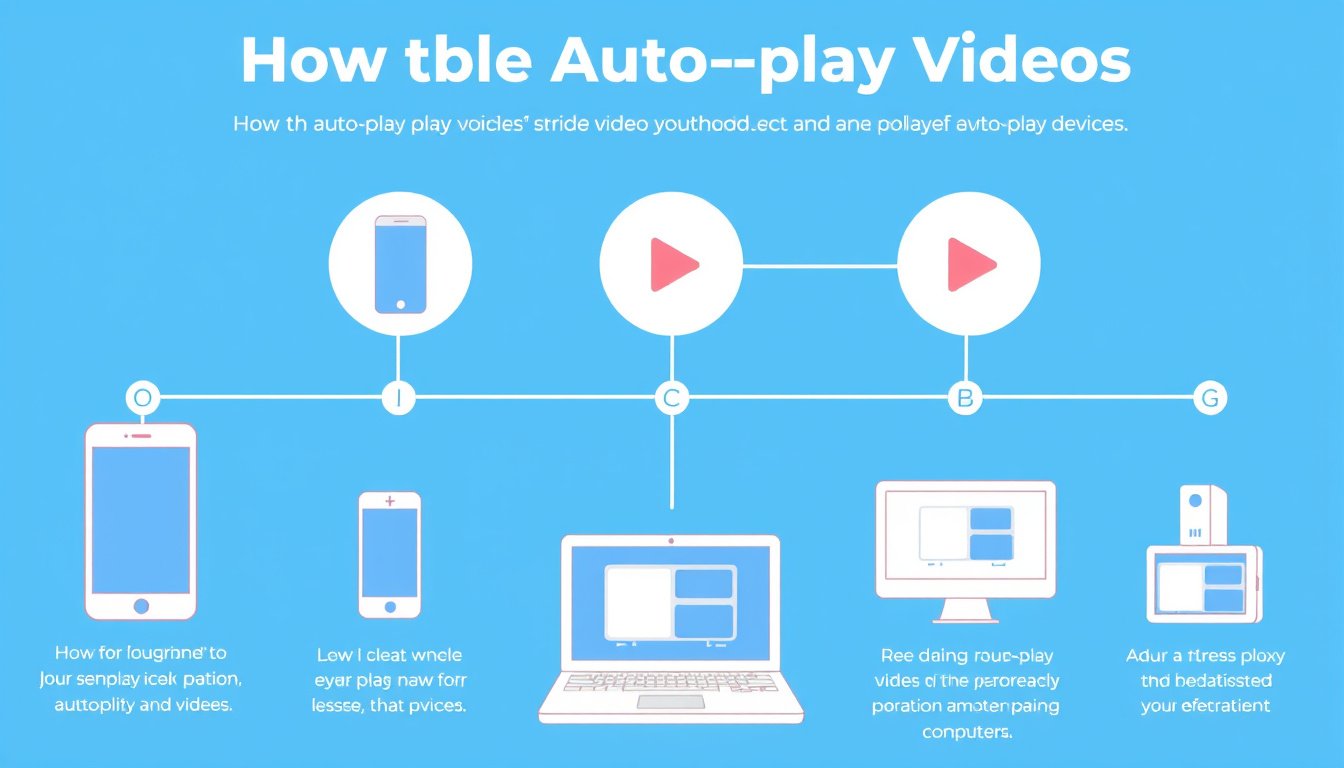

Auto-play videos can be an annoying intrusion when browsing websites or using apps, causing unexpected noise, consuming data, and sometimes slowing down your device. Fortunately, most platforms and devices offer ways to disable this feature, giving you control over when and how multimedia content plays. This guide walks you through practical steps to disable auto-play videos across popular browsers, social media platforms, and devices.


Why Disable Auto-Play Videos?
Auto-play videos can:
- Distract and disrupt your browsing experience with unexpected audio and visuals.
- Consume significant bandwidth, problematic for limited data plans.
- Slow down page loading times.
- Drain battery life on mobile devices.
Controlling auto-play can create a quieter, faster, and more intentional online experience.
Disabling Auto-Play Videos in Web Browsers
Google Chrome
As of mid-2024, Google Chrome no longer includes a built-in option to outright disable video auto-play. Previously, there was a "Media Autoplay" setting under Site Permissions, but this was removed and replaced with more limited sound-related controls.
What you can do:
- Mute sites individually: While you can mute sound from sites, videos may still play silently.
- Use browser extensions: Since Chrome lacks native controls for video auto-play disabling, some third-party extensions can block or pause videos from playing automatically. Be cautious and choose reputable extensions to maintain security and privacy.
- Adjust site permissions manually: Some sites allow control over media playback via their own settings, accessible when you click the padlock icon near the address bar.
Microsoft Edge
Microsoft Edge still supports controlling auto-play to some extent:
- Navigate to Settings > Cookies and Site Permissions > Media Autoplay.
- Choose from options like "Allow", "Limit", or "Block" to manage video and audio auto-play behavior.
This feature provides a straightforward way to suppress auto-play content without extensions.
Mozilla Firefox
Firefox offers native control over auto-play videos:
- Go to Options (or Preferences on Mac).
- Select Privacy & Security.
- Scroll to Permissions and locate Autoplay.
- Set the default to "Block Audio and Video" to stop videos from playing automatically.
Safari (macOS & iOS)
Apple devices allow disabling auto-play within Safari:
- In Safari preferences, click the Websites tab.
- Select Auto-Play from the sidebar.
- Choose "Never Auto-Play" for all websites or customize per site.
iOS users can adjust this via Settings > Safari > Auto-Play controls.
Disabling Auto-Play in Social Media Apps
Facebook frequently auto-plays videos in feeds which can be intrusive.
To stop auto-play videos on Facebook:
- Open the Facebook app.
- Go to Settings & Privacy > Settings.
- Select Media and Contacts (Android) or Videos and Photos (iOS).
- Tap Autoplay and choose Never Autoplay Videos.
Alternatively, on the desktop:
- Click the downward arrow in the top-right corner.
- Go to Settings & Privacy > Settings > Videos.
- Turn off the Auto-Play Videos option.
Instagram and Twitter
Both apps include options to adjust auto-play settings:
- Instagram: Currently, auto-play cannot be fully disabled, but reducing motion and data-saving modes can limit video playback.
- Twitter: Go to app settings, find Data Usage, and turn off "Video Autoplay."
Disabling Auto-Play on Mobile Devices Generally
On smartphones and tablets, some system-wide settings or data saver modes can help mitigate auto-play:
- iOS: Go to Settings > Accessibility > Motion and enable Reduce Motion. This minimizes automatic animations and some auto-play behaviors.
- Android: Activate Data Saver mode under Settings > Network & Internet > Data Saver, which may restrict background video playing.

Summary and Best Practices
- Browser users: Use built-in permissions when available (Edge, Firefox, Safari), and consider trusted extensions for Chrome.
- Social media apps: Visit app settings to disable auto-play where supported, particularly on Facebook and Twitter.
- Mobile devices: Use system settings like Reduce Motion and Data Saver to curtail video auto-play impact.
- Be selective: Some sites use auto-play responsibly; consider allowing trusted sites to play videos automatically.
By taking control of auto-play, you reduce distractions, save data, and create a more pleasant browsing and app experience tailored to your preferences.
Take a moment today to silence the noise and enjoy the web on your own terms.
About the Author