
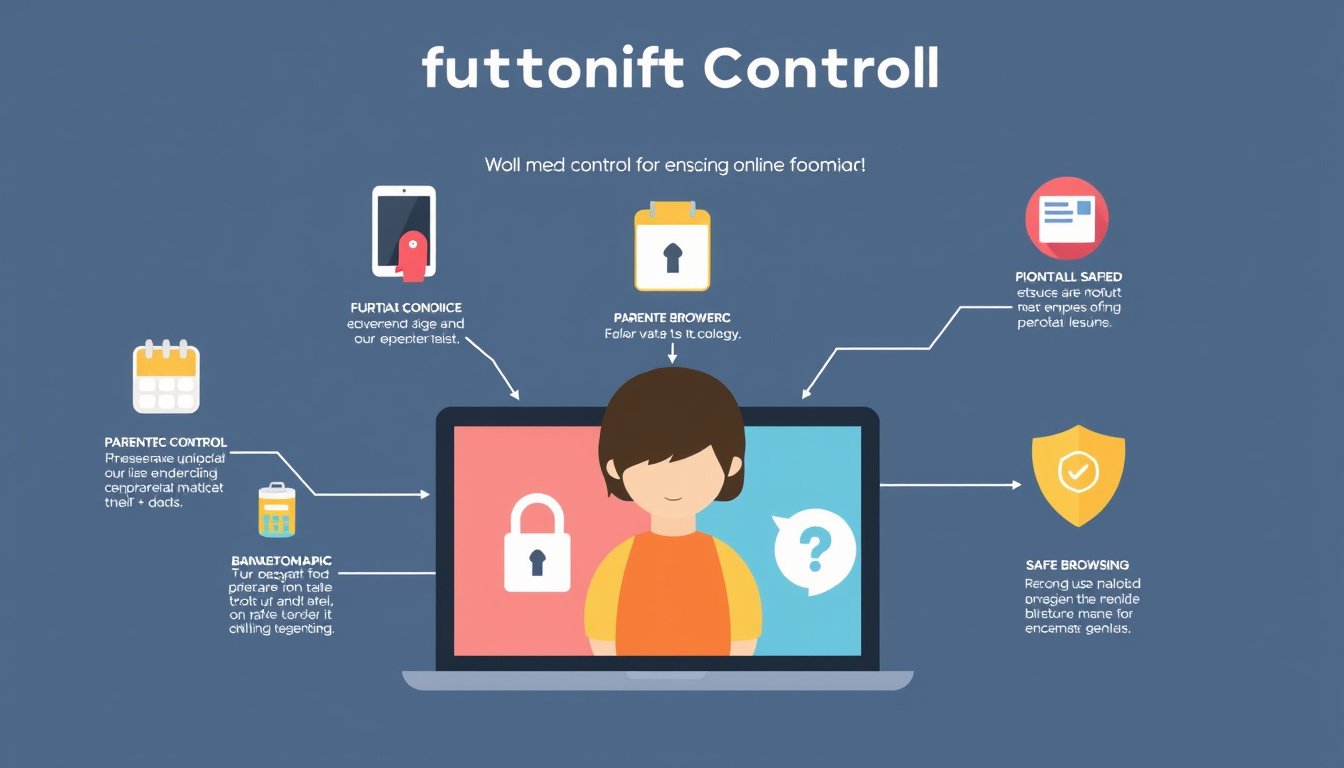

In today’s digital world, children have unprecedented access to online content, apps, and communication tools. While this connectivity opens up learning and entertainment opportunities, it also presents risks such as exposure to inappropriate content, excessive screen time, and privacy concerns. Parents can actively guard their children’s digital safety by effectively using parental controls, a suite of settings and tools designed to manage and monitor device usage. Understanding how to set up and customize these controls empowers families to create a safer, more balanced online experience.



What Are Parental Controls?
Parental controls are tools embedded within operating systems, devices, and applications that help parents regulate what their children can access or do online. These controls enable guardians to:
- Manage screen time and device usage
- Restrict access to inappropriate websites and media content
- Monitor or limit app downloads and purchases
- Control communication features to prevent contact with strangers
- Safeguard private information and device settings from unauthorized changes
The aim is to enforce family-appropriate boundaries while keeping children safe and encouraging healthy digital habits.
Key Platforms Offering Parental Controls
Different device ecosystems provide parental control solutions tailored to their environments:
Apple Devices (iPhone, iPad, Mac)
Apple’s Screen Time feature within iOS and macOS systems offers comprehensive parental controls integrated directly into the device settings. After setting up Family Sharing and adding your child’s Apple ID to the family group, you can enable Content & Privacy Restrictions. These restrictions allow:
- Blocking in-app purchases and app installations
- Managing allowed apps and built-in features
- Filtering explicit content in media like music, movies, TV shows, and apps based on age ratings
- Limiting web content to approved or filtered websites
- Restricting gaming features including multiplayer and communication
- Controlling Siri and Search functionalities
- Locking privacy settings to prevent unauthorized changes
Parents can also respond to children’s requests for exceptions via Screen Time in recent OS versions, giving flexibility to adapt permissions as needed.
Google Devices and Services
Google’s Family Link app helps parents manage their kids’ Android phones, tablets, ChromeOS devices, and Google accounts. Features include:
- Monitoring app usage and setting daily screen time limits or schedules
- Approving or declining app downloads and in-app purchases via Google Play
- Filtering explicit content in Google Search and blocking inappropriate websites on Chrome
- Managing YouTube access with content filters and screen time controls
- Adjusting Google Assistant settings for a kid-friendly experience
- Remotely locking devices to enforce breaks
Family Link also allows parents to manage account credentials and personal information, ensuring better control and security tailored to children’s ages.
Microsoft Family Safety
For families using Windows PCs, laptops, and Xbox consoles, Microsoft Family Safety provides a unified way to:
- Set screen time limits
- Filter web browsing and content
- Approve app and game downloads
- Monitor activity reports across all Microsoft devices
This helps maintain consistent controls on devices used for gaming, homework, and online browsing.
Implementing Parental Controls: Best Practices
-
Set Up Controls on All Devices: To be effective, configure parental controls on every device your child uses—including smartphones, tablets, computers, and gaming consoles.
-
Customize Settings for Your Child’s Age: Many tools adjust default restrictions depending on the child’s age or maturity. Tailor content filters and permissions as your child grows.
-
Combine Controls with Communication: Parental controls are strongest when paired with open conversations about internet safety, family rules, and respectful digital behavior.
-
Monitor and Adjust Regularly: Review usage reports and be ready to update settings as your child’s habits and needs evolve.
-
Use Multiple Tools When Needed: Beyond device settings, consider third-party apps or controls built into popular social media and gaming platforms to cover all access points.
Benefits of Using Parental Controls
- Protect Children from Harmful Content: Blocks access to adult or violent material not suitable for youngsters.
- Promote Healthy Screen Time Habits: Prevents excessive device use that can affect sleep, physical activity, and social interactions.
- Manage Spending and Downloads: Stops unexpected purchases or app installations that may be inappropriate or unsafe.
- Enhance Privacy and Security: Restricts apps’ access to sensitive information and prevents unauthorized setting changes.
- Encourage Digital Responsibility: Gradually teaches children to manage their own digital presence responsibly.
Conclusion
Parental controls serve as essential tools for mastering digital safety in an age where children’s online presence is almost constant. By thoughtfully setting up and managing these controls on devices your child uses, you create a safer, more controlled environment where your child can learn, play, and communicate without unnecessary risks. Remember that technology tools complement — but do not replace — honest discussions with your child about internet safety and respectful usage.
Taking the time to explore options like Apple’s Screen Time, Google’s Family Link, or Microsoft Family Safety can empower you with the right controls tailored to your family’s needs. In combination with clear communication and ongoing involvement, parental controls help secure your child’s online experience effectively.
Resources for Parents:
- Apple Support on Screen Time and Content Restrictions
- Google Family Link official page
- Microsoft Family Safety setup guides
- Additional parental control guides from educational and government organizations
By leveraging these resources, parents can confidently navigate digital safety challenges and foster responsible, balanced device use within their families.
About the Author