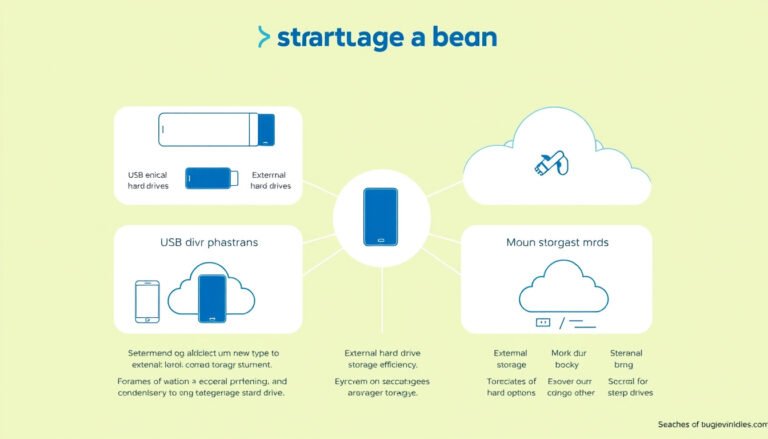

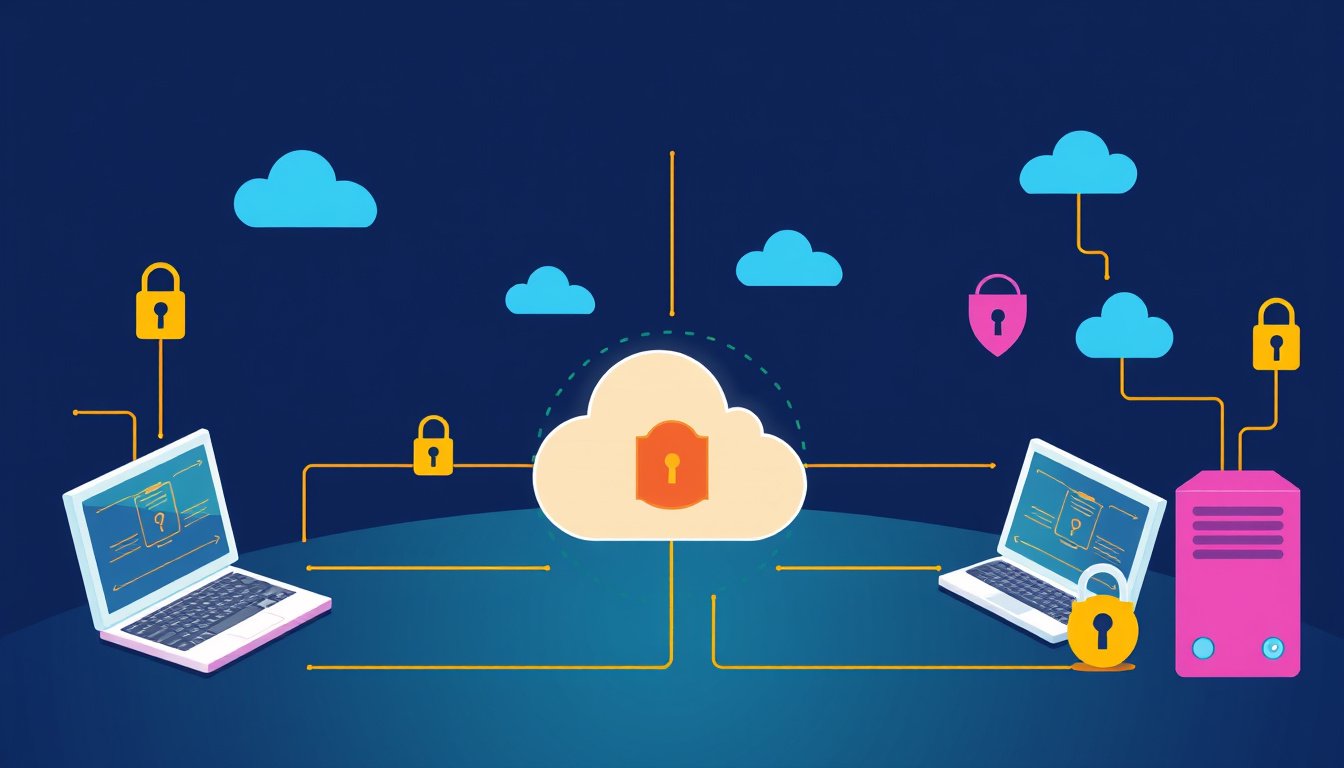

In today’s interconnected digital environment, transferring files quickly and securely within a local network is an essential practice for both home and office users. Utilizing your local network for file transfers offers significant advantages over external means like USB drives or cloud-based services — reduced transfer times, improved data privacy, and seamless access across multiple devices. This article explores various methods and tools you can employ to make the most of your local network for efficient file sharing.


Why Use a Local Network for File Transfer?
Before diving into the methods, it’s helpful to understand why local network transfers are advantageous:
- Speed: Local network speeds (especially wired Ethernet connections) typically exceed internet upload/download speeds, enabling faster data transfers.
- Security: File transfers stay within your trusted network, lowering exposure to external threats.
- Convenience: Easily access and share files across multiple devices without the need for external drives or internet connectivity.
- Cost-Effective: No data usage fees or subscription requirements for cloud services.
Essential Preparation: Ensure Your Network is Ready
To optimize file transfers over your local network:
- Connect Devices to the Same Network: Whether via Ethernet or Wi-Fi, all devices involved should be connected to the same local network.
- Private Network Settings: Set your network profile to “Private” on Windows or ensure appropriate security settings on Linux/macOS to allow device discovery.
- Enable Network Discovery and Sharing: This is crucial on platforms like Windows to see and access shared resources.
- Manage Firewalls: Adjust firewall settings to allow file sharing while maintaining security.
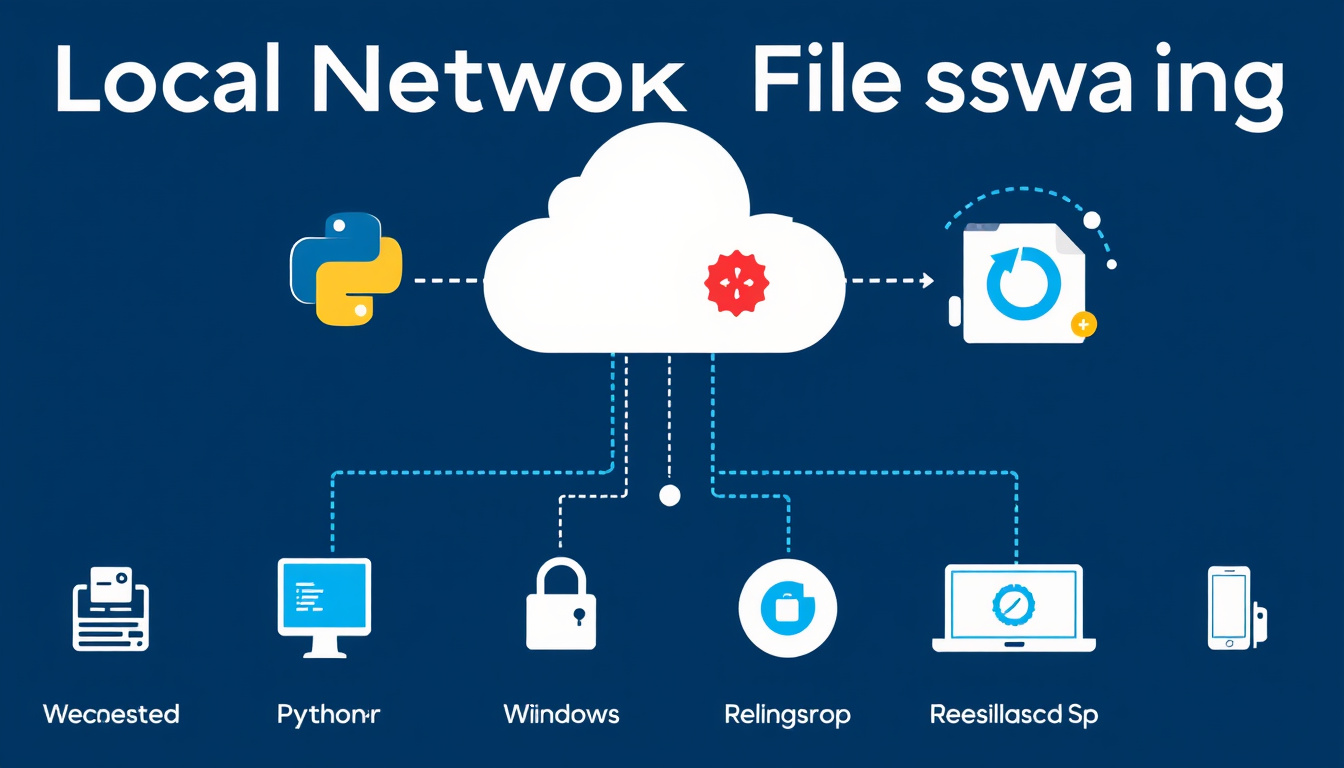
File Transfer Methods and Tools
1. Simple HTTP Server for Quick Transfers (Linux, macOS, Windows with Python)
One surprisingly easy way to share files over your local network without elaborate setup is by leveraging Python’s built-in HTTP server module.
How it Works:
-
On the sending computer, open a terminal and navigate to the directory containing the files you want to transfer.
-
Run:
python3 -m http.server -
This starts a simple HTTP server on port 8000.
-
On the receiving device, open a web browser and visit:
http://<sender-ip-address>:8000 -
You’ll see a web page displaying the folder’s contents. Click files to download them.
-
When done, stop the server by pressing
Ctrl+Cin the terminal.
Advantages:
- No configuration files or special permissions needed.
- Works cross-platform (Linux, macOS, Windows with Python installed).
- Ideal for quick, ad hoc transfers of many files.
Limitations:
- Read-only; doesn’t facilitate sending files back.
- Files are listed publicly on the network during transfer.
- Lacks authentication or encryption.
2. Network Sharing Built into Windows
Windows offers built-in support to easily share files and folders within a LAN, accessible by other Windows devices.
How to Set Up:
- Right-click a file or folder in File Explorer, choose Give access to > Specific people.
- Select the users you want to share with or Everyone to allow all network users.
- Confirm and the folder becomes available on the network.
Mapping Network Drives:
To conveniently access shared folders:
- Open File Explorer, click This PC.
- From the ribbon, select Map network drive.
- Assign a drive letter and specify the network path (e.g.,
\\ComputerName\SharedFolder). - Opt to reconnect at sign-in for persistent access.
Ensure:
- Network discovery and file sharing are enabled under Advanced sharing settings.
- The network profile is set to Private.
- Password-protected sharing is turned off if you want easy access.
Advantages:
- Seamless integration on Windows.
- Supports persistent drives for quick access.
- Supports permission management.
Limitations:
- Mostly Windows-centric, though SMB shares can be accessed on other OSes with configuration.
- Requires proper network configuration and sometimes firewall tweaking.
3. Dedicated Local File Sharing Applications
If you want a user-friendly, multi-platform experience with features like automatic device discovery, encryption, and easy drag-and-drop, dedicated tools can help.
Popular Options Include:
- LANDrop: Detects devices on the same Wi-Fi or Ethernet network and facilitates direct file transfers. Requires the app running on both ends.
- LocalSend: Open-source alternative to AirDrop, supports fast transfers over LAN.
- Resilio Sync: Uses peer-to-peer BitTorrent technology for fast syncing and transfers, useful for continuous sharing and even remote syncing.
Considerations:
- Both sending and receiving devices need the app running simultaneously.
- Firewall and network permissions may need configuring for discovery and transfers.
- Some apps may support multiple protocols (Wi-Fi and Ethernet).
- Tools offer varying levels of file encryption and transfer reliability.
Practical Tips for Optimal File Transfers
- Use Wired Ethernet for Large Files or Bulk Transfers: Ethernet provides more stable and faster speeds than Wi-Fi.
- Disable or Configure Firewalls Properly: Firewalls can block discovery or transfer protocols; configure exceptions or temporarily disable if necessary.
- Keep Software Updated: Ensures compatibility and security patches, especially for dedicated apps.
- Verify IP Addresses: Knowing your device IPs helps connect directly (important for manual methods).
- Use Password Protection Where Possible: Prefer tools offering authentication to secure shared data.
- Terminate Temporary Servers When Done: Prevent unintended access by closing HTTP servers or apps after transfers.
Conclusion
Utilizing your local network for file transfers unlocks efficiency, security, and convenience far beyond traditional methods. Whether you prefer the minimal setup of Python’s HTTP server, built-in Windows sharing, or dedicated applications like LANDrop and Resilio Sync, there’s a solution suited for your environment.
By preparing your network properly and choosing the right tool for your needs, you can move files quickly and securely without relying on external drives or internet-dependent cloud services. Embrace local network file sharing and experience frustration-free, fast, and secure transfers across your devices.
About the Author